• Skip to primary navigation
  • Skip to main content
  • Skip to primary sidebar

Flea Bites

Flea Bites on Humans and Pets

  • The Flea
  • Flea and Pets
  • Flea Bites Pictures
  • FAQ
  • Get Rid of Fleas
  • Treatment

Archives for October 2023

Complete Guide to Using Diatomaceous Earth for Fleas

October 27, 2023 By Lacie Zender

Introduction

Complete guide to using diatomaceous earth for fleas. Facing a flea infestation can be an overwhelming ordeal for any household. Especially when you’re concerned about the health and comfort of your pets and family. While there are a myriad of treatment options available. Diatomaceous earth has emerged as an eco-friendly and effective remedy to consider. The objective of this comprehensive guide is to delve into the nitty-gritty details of using diatomaceous earth to counter your flea problem. We’ll explore its origin, how it functions against fleas, the critical safety guidelines you need to follow, and much more. Armed with this knowledge, you’ll be well-prepared to tackle the vexing issue of fleas in an informed manner.

According to the Environmental Protection Agency, diatomaceous earth is registered as a safe substance for flea control, reinforcing its efficacy and safety. Let’s dive in and unlock the secrets of using this remarkable natural substance for eradicating fleas from your environment.

This introduction aims to set the stage for an in-depth discussion that will leave no stone unturned in your quest for flea eradication. Follow along as we guide you through each facet of this powerful treatment option.

What is Diatomaceous Earth?
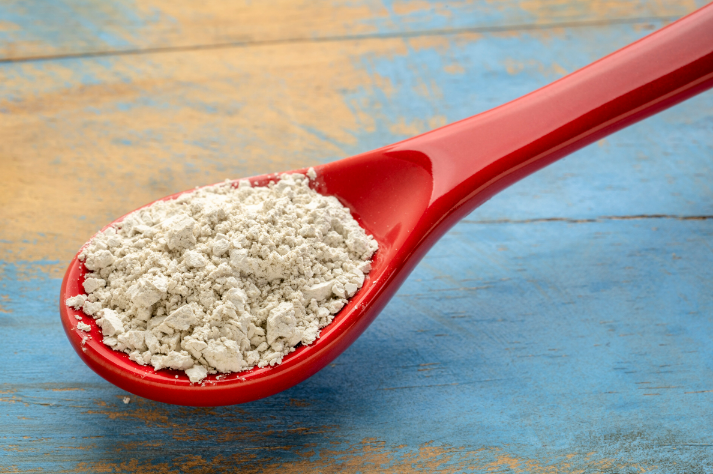
Complete Guide to Using Diatomaceous Earth for Fleas

Diatomaceous earth is more than just a buzzword in the realm of natural pest control. It’s a proven, effective solution that deserves your attention. Derived from the fossilized remains of diatoms, a type of algae, this powdery substance has unique characteristics that make it deadly to fleas. Yet harmless to humans and pets when handled correctly. Understanding what it is can empower you to utilize it optimally for flea eradication.

Origin and Composition

Diatomaceous earth is primarily made of silica, which is extracted from the ancient skeletal remains of diatoms. These microscopic algae once thrived in oceans and freshwater bodies, and their fossils now form large sedimentary deposits, which are mined to produce diatomaceous earth.

Types of Diatomaceous Earth: Food Grade vs. Pool Grade

There are two main types of diatomaceous earth: food grade and pool grade. It’s crucial to distinguish between the two, as only food-grade diatomaceous earth is safe for flea control in residential areas. Pool grade, though chemically similar, undergoes a different treatment process, making it unsuitable and unsafe for household pest control.

Mechanism: How Does it Work Against Fleas?

One of the most fascinating aspects of diatomaceous earth is its mechanical action against fleas. Unlike chemical pesticides, it works by disrupting the exoskeleton of the flea, causing dehydration and ultimately leading to the insect’s demise. According to a study by the University of California Statewide Integrated Pest Management Program, diatomaceous earth affects fleas physically rather than chemically, reducing the likelihood of resistance development over time. 

In the sections that follow, we’ll delve into the specifics of how to effectively and safely use diatomaceous earth as part of your comprehensive flea management strategy. Keep reading to uncover these actionable insights.

Safety Precautions When Using Diatomaceous Earth

While diatomaceous earth offers a compelling, natural alternative to chemical pesticides, it’s imperative to handle it with care to protect both human and pet health. Just like any other treatment, this substance comes with its own set of guidelines that you need to heed. Ensuring proper handling and storage, as well as taking additional safety measures, can maximize its effectiveness while minimizing risks.

Proper Handling and Storage

The key to safely using diatomaceous earth lies in the proper handling and storage of the product. Always use a mask to avoid inhaling the fine powder and gloves to protect your skin. Store it in a dry, cool place, away from food and pet supplies to ensure its efficacy is maintained over time.

Safety Measures for Pets and Humans

When applying diatomaceous earth, particularly in areas frequented by pets or children, ensure they are kept away until the dust settles. According to the American Veterinary Medical Association, some formulations of diatomaceous earth may contain additives that could be harmful if ingested. Therefore, always double-check the product label and consult your veterinarian or healthcare provider for personalized advice.

What to Avoid: Common Mistakes 

Common mistakes often include using pool-grade diatomaceous earth instead of food-grade, or applying it on wet surfaces which diminish its effectiveness. Another frequent error is applying too much of the product, creating an inhospitable environment even for humans and pets.

Understanding these safety precautions will not only help you utilize diatomaceous earth more effectively but will also mitigate any associated risks. As you navigate your journey to a flea-free home, keeping these guidelines in mind can make all the difference.

Step-by-Step Guide to Applying Diatomaceous Earth for Flea Control

Successfully using diatomaceous earth for flea eradication is not just about the product itself, but also about the methodology you employ. A well-planned, systematic approach can amplify your success rate significantly. In this section, we break down the entire application process into simple, actionable steps. From preparing your environment to determining how often and how long to apply, we cover it all.

Preparing the Area: Indoors and Outdoors

Before applying diatomaceous earth, the preparation of the target area is vital. Indoors, vacuum thoroughly to remove flea eggs and larvae. Outdoors, mow the lawn and remove any excess debris. A clean surface allows for better adherence of the diatomaceous earth, thereby increasing its efficacy.

Application Methods: Sprinkling vs. Dusting

There are two main ways to apply diatomaceous earth—sprinkling and dusting. Sprinkling involves manually scattering the powder over the surface, which is more suitable for larger areas. Dusting, often done with a duster tool, allows for a more targeted application. Choose your method based on the size and nature of the infested area.

Frequency and Duration: How Often and How Long?

Determining the correct frequency and duration for applying diatomaceous earth can be tricky. Typically, a single application lasts up to two weeks but may require reapplication if rain or water washes it away. According to a report by North Carolina State University, regular monitoring and reapplication are essential for long-term flea control.

By following this step-by-step guide, you position yourself for optimal success in your battle against fleas. Each aspect of the application process has its role in the broader strategy, and mastering these steps will take you one giant leap closer to a flea-free environment.

Efficacy and Limitations

Diatomaceous earth holds significant promise in the field of natural flea control, but like any treatment, it comes with its own set of pros and cons. The key to making an informed decision lies in understanding both its efficacy and its limitations. This section aims to provide you with a balanced view, supported by research and studies, to help you decide if diatomaceous earth is the right solution for your specific flea problem.

How Effective is Diatomaceous Earth?

Numerous studies and practical applications have shown that diatomaceous earth can be highly effective in controlling flea populations. It works by dehydrating fleas, eventually leading to their demise. The effectiveness varies based on factors like humidity and application method, but generally, it can reduce flea populations substantially when used correctly.

Research and Studies Supporting its Use

Scientific literature supports the effectiveness of diatomaceous earth. For instance, a study from the Journal of Economic Entomology demonstrated its potency in controlling insect populations, including fleas. Such validation adds credence to its application in residential settings for flea control.

Limitations and When to Seek Alternative Methods

While diatomaceous earth is potent, it’s not a catch-all solution. It may not be effective in highly humid conditions, as moisture can lessen its dehydrating effect. Additionally, fleas in the pupal stage are largely unaffected by diatomaceous earth, which means that you may need to seek alternative or supplementary methods for complete eradication.

By weighing the efficacy against the limitations, you gain a comprehensive understanding that empowers you to make the most informed choice possible. Understanding that no treatment is without its drawbacks allows you to use diatomaceous earth strategically, maximizing its benefits while mitigating its limitations.

FAQs and Common Misconceptions

In the world of flea control, misinformation can be just as rampant as the pests themselves. As you seek to harness the power of diatomaceous earth, you may encounter a variety of questions and myths surrounding its use. This section aims to address these frequently asked questions and clarify common misconceptions, providing you with the most accurate and actionable information.

Can Diatomaceous Earth Be Used on Pets Directly?

One common question is whether diatomaceous earth can be applied directly to pets. The answer is yes, but it’s essential to use food-grade diatomaceous earth and to avoid the face and eyes. Always consult with a veterinarian for personalized advice tailored to your pet’s needs.

Is Diatomaceous Earth Harmful if Ingested?

Another prevalent concern is about ingestion. Generally, food-grade diatomaceous earth is non-toxic if ingested in small amounts. However, large quantities can be harmful, so it’s crucial to ensure that the substance is applied in areas not easily accessible for consumption by pets or children.

Debunking Myths: Does It Repel Other Pests?

While diatomaceous earth is effective against fleas, its efficacy against other pests is often exaggerated. Although it can deter some other insects, it’s not a universal repellent. A report from Colorado State University Extension addresses this, confirming that its primary utility lies in its ability to control specific pests like fleas.

Addressing these FAQs and common misconceptions equips you with the knowledge to apply diatomaceous earth more effectively and responsibly. Being well-informed enables you to make decisions based on fact rather than folklore, enhancing your overall strategy for a flea-free home.

Final Thoughts and Additional Resources

As we draw this comprehensive guide to a close, it’s worth revisiting the importance of integrating diatomaceous earth into a broader, more holistic approach to flea management. Employing a single method in isolation may provide temporary relief, but for long-lasting results, a multifaceted plan is indispensable.

Review: Key Takeaways

In summary, diatomaceous earth offers a natural, safe, and effective method for flea control when used correctly. Its main advantages lie in its non-toxic nature and mechanical action, which minimizes the risk of fleas developing resistance. However, like any treatment, it has its limitations and must be part of a broader pest control strategy.

Recommendations for Further Reading

For those interested in diving deeper into the subject, additional resources are available. Books on natural pest control methods, as well as peer-reviewed journals, offer valuable insights. Websites like the Environmental Protection Agency’s page on Flea Control provide further guidelines and tips.

Connect with Us for More Information

If you have additional questions or require personalized guidance, feel free to reach out. We are committed to providing our readers with the most up-to-date, research-backed information to support your journey to a flea-free life.

By fully understanding the capabilities and limitations of diatomaceous earth, and by effectively integrating it into a comprehensive flea control strategy, you can reclaim your living spaces from these unwelcome pests. Knowledge is your best weapon, and we hope this guide has armed you well. Click here for more great articles.
  • Eliminating Fleas Year-Round
  • Identifying Fleas on Dogs
  • Identifying Fatal Flea Symptoms in Dogs
  • Solutions for Dogs with Fleas
  • Where Do Dog Fleas Come From?

Filed Under: Uncategorized Tagged With: Complete Guide to Using Diatomaceous Earth

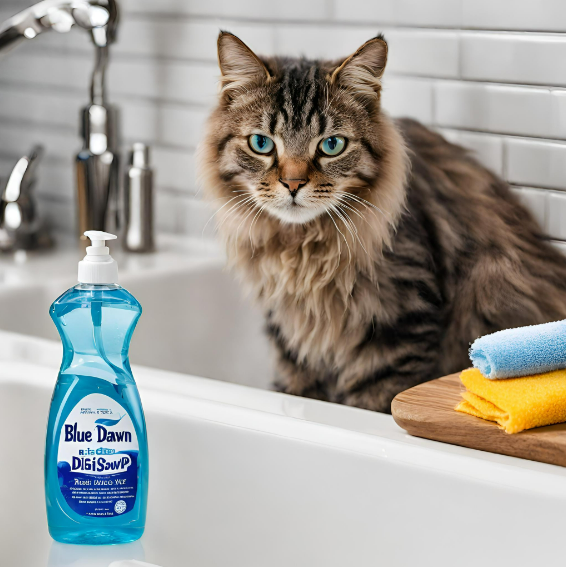
Does Dawn Dish Soap Kill Fleas?

October 27, 2023 By Lacie Zender

Does Dawn Dish Soap Kill Fleas

Introduction

Does Dawn Dish Soap Kill Fleas? Fleas—a word that sends shivers down the spines of pet owners and homeowners alike. These tiny parasites are more than just a nuisance; they pose health risks to both animals and humans. You’ve likely scoured the internet, vet’s office, or even your grandma’s old home remedies book in search of a solution. One frequently cited remedy is Dawn dish soap, revered by some as a cheap yet effective weapon in the battle against fleas. So, is it too good to be true, or does Dawn really possess the power to eradicate these pesky invaders? In this comprehensive guide, we’ll dive into the science behind Dawn’s efficacy against fleas, explore step-by-step application methods, assess safety concerns, and even compare it to other flea treatments on the market. Our aim? To provide you with a fact-based, exhaustive resource that stands as a cornerstone in flea control knowledge. According to a study published in the Journal of Medical Entomology, dish soaps like Dawn can indeed be effective against adult fleas, making this topic more than worthy of a deep dive.

By tackling this subject from multiple angles, this article serves as your go-to guide for all things related to Dawn dish soap and fleas. Whether you’re a desperate pet owner or a vigilant homeowner, this blog post will offer valuable insights backed by science and years of hands-on experience in flea extermination. Let’s get started.

The Science Behind Dawn Dish Soap

When it comes to tackling a flea infestation, understanding the mechanism of your chosen treatment is crucial for success. Dawn dish soap, a common household item, has surprisingly effective applications in flea control. But how does it achieve this feat? Let’s break it down.

How Dawn Works at a Molecular Level

At its core, Dawn dish soap is a surfactant, a substance designed to break down oils and grease. Its molecular structure includes one end that is hydrophobic (repels water) and another that is hydrophilic (attracts water). This allows Dawn to envelop grease and oil particles, making it easier to wash them away.

Dawn’s Impact on Fleas

Fleas have a waxy outer layer on their exoskeletons, which helps them stay waterproof and agile. Dawn disrupts this waxy layer, rendering the fleas more susceptible to water. Once this protective barrier is compromised, the fleas struggle to stay afloat, eventually leading to their demise. Does Dawn Dish Soap Kill Fleas

Scientific Validation

Don’t just take our word for it; scientific studies back this up. According to research from the Journal of Medical Entomology, dish soaps, including Dawn, have proven efficacy against adult fleas [source]. The study emphasizes that while dish soap may not be a long-term solution, it is an effective immediate measure for flea control.

By diving deep into the science behind Dawn dish soap, we can appreciate its utility in combating fleas. With this knowledge, you’re not only using an effective solution but also understanding the ‘why’ and ‘how’ behind its success. This empowers you to take more informed actions in your ongoing battle against these persistent parasites.

How to Use Dawn for Flea Treatment

Having established the science behind Dawn’s effectiveness against fleas, the next logical question is how to leverage this household item for maximum impact. It’s crucial to note that Dawn’s flea-fighting ability isn’t one-size-fits-all; the application varies depending on whether you’re treating your pet, setting up flea traps, or sanitizing your home. Below, we outline each scenario to guide you through the process. Does Dawn Dish Soap Kill Fleas

Treating Pets Directly

When it comes to treating your beloved pets, simplicity and safety are key. Start by wetting your pet’s fur with lukewarm water and then apply a generous amount of Dawn soap. Create a lather and massage it deep into the skin, taking care to avoid sensitive areas like eyes and ears. Rinse thoroughly, and you’ll likely see fleas falling off during the process. Remember to consult your vet before attempting any new treatments on your pet.

As a Component in Flea Traps

For homeowners without pets, or as a supplementary measure, flea traps featuring Dawn can be highly effective. Fill a shallow dish with water and add a few drops of Dawn soap. Place the dish in flea-infested areas and leave it overnight. The soap acts as a surfactant, breaking the surface tension of the water and causing fleas to sink and drown.

Treating Home Surfaces

Dawn isn’t just for pets; it can be a valuable tool in sanitizing your living spaces. Create a mixture of Dawn and water in a spray bottle and lightly mist your upholstery, carpets, and even your bed. Allow it to sit for a few minutes before wiping it clean or vacuuming. Though not a substitute for professional treatments, this approach offers a quick solution for minor infestations.

By tailoring your use of Dawn to fit the specific requirements of your flea problem, you can maximize its effectiveness. Whether treating your pet, setting a trap, or cleaning your home, these methods offer a comprehensive approach, ensuring you’re well-equipped to tackle the flea issue head-on.

Safety Concerns: Risks and Precautions

While Dawn dish soap has proven to be effective against fleas, it’s essential to proceed with caution. Any solution, no matter how benign it seems, carries its own set of risks and precautions, especially when pets and young children are involved. Let’s delve into these critical safety considerations. Does Dawn Dish Soap Kill Fleas

Risks to Pets

While Dawn dish soap can remove fleas, it’s not specifically designed for dermal application on animals. It can lead to skin dryness, irritation, and even allergic reactions in some pets. Moreover, ingestion of even a small amount of soap can result in digestive upset.

Risks to Humans

The chemical components in Dawn, although generally considered safe for household use, can cause skin irritation in some individuals. It’s crucial to handle the soap carefully and avoid contact with the eyes. Also, it’s not advisable to use it as a long-term solution for flea control in areas where children or pets might ingest it.

Veterinary and Medical Precautions

Before you douse your pet in Dawn, consult your veterinarian for advice tailored to your pet’s specific needs. In the case of humans, if someone experiences skin irritation or any other adverse reaction, seek medical guidance promptly. 

Safe Practices for Application

Always follow best practices when applying Dawn for flea treatment. This includes wearing gloves, ensuring proper ventilation, and rinsing thoroughly when used on pets. Remember to always read the label and follow all safety guidelines provided by the manufacturer.

By approaching the use of Dawn dish soap with an awareness of these safety concerns, you can take proactive steps to mitigate risks. Whether you’re a pet owner or dealing with a flea infestation in your home, being informed about potential hazards and precautions enables you to use Dawn in the safest and most effective manner possible. Does Dawn Dish Soap Kill Fleas

Alternative Flea Treatments

Although Dawn dish soap can be a powerful ally in the fight against fleas, it’s important to remember that it’s not the only option at your disposal. There’s a myriad of alternative treatments that can offer various advantages and disadvantages compared to Dawn. Let’s weigh these alternatives to help you make the best choice for your specific situation.

Effectiveness of Alternatives

From prescription flea medications to over-the-counter sprays and powders, the range of effectiveness varies widely. For instance, topical flea treatments like Frontline or Advantage can provide up to a month of protection with a single application. However, these alternatives often come at a higher price point.

Safety of Alternatives

While Dawn is generally considered safe for temporary use, long-term solutions like flea collars or oral medications have undergone rigorous testing to ensure safety. Always consult your veterinarian for the best course of action tailored to your pet’s health needs.

Cost Comparison

Dawn is certainly a cost-effective option, but sometimes you get what you pay for. Prescription treatments, although more expensive, tend to offer longer-lasting relief from fleas, which could ultimately save you both time and money in the long run.

Recommended Scenarios for Alternatives

There are situations where alternative treatments may be more suitable. For instance, if you’re dealing with a large-scale infestation, professional extermination services may be necessary. Similarly, if your pet has sensitive skin, a veterinary-prescribed treatment may be preferable.

By thoroughly assessing the alternatives to Dawn, you can approach your flea problem with a multi-faceted strategy. Armed with this knowledge, you can select the treatment that best aligns with your needs, be it in terms of effectiveness, safety, or cost. This comprehensive perspective ensures that you are well-equipped to tackle your flea issue from all angles.

Conclusion and Final Recommendations

As we reach the end of this exhaustive guide, it’s crucial to synthesize the wealth of information we’ve explored. Dawn dish soap has emerged as a noteworthy option in the fight against fleas, but it’s far from a one-stop solution. The aim here is to empower you with actionable insights for effective flea control, so let’s sum it all up.

Recap of Dawn’s Effectiveness

Dawn dish soap works by disrupting the fleas’ waxy exoskeleton, making them susceptible to drowning. It’s an effective, immediate measure for killing adult fleas, as supported by scientific research.

Safety First

Remember, while Dawn is generally safe for short-term use, it does come with its set of precautions. Consult your veterinarian for pet treatments and exercise caution in household applications, especially where children are involved.

Considering Alternatives

Given the range of alternative treatments available—from topical medications to professional extermination services—it’s beneficial to consider a multi-pronged approach to flea control. Some treatments may offer longer-lasting protection or be more suitable for your specific needs.

Final Recommendations

As a comprehensive course of action, consider using Dawn as an immediate solution to tackle adult fleas while also consulting with professionals for long-term prevention strategies. Keep abreast of the latest research and updates in flea treatments to ensure that your approach remains both effective and safe.

By navigating the complexities of flea control with an informed perspective, you position yourself for success in eradicating these unwelcome intruders. May this guide serve as a trusted resource in your ongoing efforts to maintain a flea-free home and happy, healthy pets. Click for more great articles.

  • Eliminating Fleas Year-Round
  • Identifying Fleas on Dogs
  • Identifying Fatal Flea Symptoms in Dogs
  • Solutions for Dogs with Fleas
  • Where Do Dog Fleas Come From?

Filed Under: Uncategorized Tagged With: Does Dawn Dish Soap Kill Fleas

Do Fleas on Cats Die in the Winter?

October 19, 2023 By Lacie Zender

A Complete Guide to Understanding Flea Seasonality

You’ve likely heard the popular adage: “Fleas take a winter break.” But do they really? If you’re a cat owner, understanding the seasonality of fleas is not just valuable; it’s essential for your pet’s well-being. Welcome to our comprehensive guide aimed at demystifying one pressing question: Do fleas on cats die in the winter? With colder months approaching, you might be tempted to slack on flea prevention, assuming the frost will do the job for you. Think again! In this in-depth article, we’ll peel back the layers on flea biology, dispel common myths, and provide actionable steps for keeping your feline friend flea-free, even when the temperatures plummet. We’ll dive into various facets of flea survival—both inside and outside—and offer vet-recommended advice for year-round prevention. So, without further ado, let’s dive into the world of fleas and winter.

According to a study published by Entomology Today, fleas can indeed survive cold conditions, depending on various factors like humidity and their life stage. The hardiness of these parasites shouldn’t be underestimated. Keep reading to understand why winter doesn’t necessarily spell doom for the fleas that may be living off your pet.

By providing a thorough examination of the topic, we aim to make you an informed cat owner who knows how to tackle flea issues head-on, regardless of the season. From understanding the intricacies of flea biology to arming you with prevention strategies, we’ve got you covered. Stay tuned!

The Biology of Fleas: Understanding Their Lifecycle

Before diving into the heart of whether fleas die in colder temperatures, it’s crucial to first grasp the biology of these pesky parasites. Fleas are more resilient than you might think, and their life cycle is a complex process that consists of four main stages: egg, larvae, pupa, and adult. Understanding each stage will empower you to combat fleas more effectively. Do Fleas on Cats Die in the Winter

Egg Stage: Where It All Begins

Fleas begin their life as tiny, white eggs, usually laid in the fur of your cat. Within a short span—often just a few days—these eggs hatch into larvae. Since the eggs are not sticky, they can fall off into the environment, meaning your home can become a breeding ground if not properly managed.

Larvae Stage: Feeding and Development

Once hatched, the larvae primarily feed on organic matter and the feces of adult fleas. At this stage, they are highly sensitive to environmental conditions. According to the American Veterinary Medical Association, moisture is particularly crucial for larvae to develop into the next stage. A dry or cold environment may slow down their development, but it doesn’t necessarily eliminate them.

Pupa Stage: The Cocoon Phase

The larvae then spin cocoons to enter the pupa stage. Here, they are well-protected and can stay dormant for several months, waiting for the right conditions to emerge as adults. In essence, the pupa stage acts as a safeguard for fleas to survive harsh conditions, including winter.

Adult Stage: Reproduction and Feeding on Your Cat

Upon finding a host, adult fleas waste no time in starting the cycle all over again. Females can lay up to 50 eggs a day after feasting on your cat’s blood. The quick reproduction rate underlines the urgency in tackling the flea issue as soon as you spot one.

Key Takeaway: Fleas Are Hardier Than Most People Think

By the end of this section, it should be abundantly clear that fleas are highly adaptable creatures, designed for survival. Their complex lifecycle enables them to endure unfavorable conditions, making them a year-round concern for pet owners.

So, before you assume winter is a flea-free season, think again. Armed with knowledge about the flea lifecycle, you’re now better equipped to understand the preventative and treatment measures we’ll discuss in the coming sections. Keep reading for more actionable insights. Do Fleas on Cats Die in the Winter

Do Fleas Die During Winter? The Facts

While many of us cherish the notion that winter spells the end for fleas, the reality is far more complex. The endurance of these tiny parasites is influenced by several environmental factors such as temperature and humidity. Understanding these nuances is crucial for year-round flea control. In this section, we’ll dig deep to debunk common myths and clarify how both indoor and outdoor conditions affect flea longevity.

Environmental Factors: Temperature, Humidity, and Their Effect on Flea Survival

Contrary to popular belief, cold weather alone isn’t enough to exterminate fleas. While extreme cold can reduce flea activity, these parasites have evolved to endure less-than-ideal conditions. According to a publication from the University of Florida’s Entomology Department, fleas can survive in temperatures as low as 37.4°F (3°C) for several days in the pupa stage, protected inside their cocoon. The same study confirms that adult fleas can also survive but are less tolerant of cold temperatures.

Myths and Misconceptions: Debunking Common Beliefs About Fleas in the Winter

One widely-held myth is that fleas simply freeze and die when winter arrives. As we’ve discussed, this isn’t true. Fleas are highly adaptable and can seek warmer hosts or environments to continue their lifecycle.

Inside vs. Outside: How Indoor and Outdoor Conditions Influence Flea Longevity

If your cat is an indoor pet, don’t assume you’re off the hook during the winter months. Inside your home, heating systems provide an environment where fleas can thrive irrespective of the weather outdoors. On the flip side, for outdoor cats, fleas may find refuge in warmer spots like garages, barns, or even under your porch.

Key Takeaway: No, Fleas Do Not Necessarily Die in Winter, Especially Indoors

So, the sobering truth is that fleas are robust enough to survive winter, especially if they find a warm host or environment. This resilience should serve as a wake-up call for cat owners to maintain a vigilant flea prevention routine year-round. Do Fleas on Cats Die in the Winter

By shedding light on the real facts about fleas in winter, this section aims to equip you with the knowledge you need to protect your cat effectively. No more relying on folklore or misconceptions; it’s time to face the facts and take action. Read on for tips on how to prepare your feline friend for the cold season.

Pre-Winter Precautions: Preparing Your Cat for the Cold Season

As the adage goes, “An ounce of prevention is worth a pound of cure.” Now that we’ve debunked the myth that winter kills off fleas, it’s imperative to focus on pre-winter precautions. Treating your cat for fleas before the season sets in can save you a lot of hassle later. This section will delve into the key preventative measures, from choosing the right flea treatment to the importance of environmental cleanliness and vet consultations.

Flea Treatment: Suitable Flea Medications for the Winter Months

Not all flea treatments are created equal, and what works in the summer may not be as effective in winter. It’s advisable to consult your veterinarian for recommendations tailored to colder months. Some commonly recommended treatments include topical solutions and oral medications. Always read the labels for proper dosage and safety guidelines.  Do Fleas on Cats Die in the Winter

Environmental Cleanliness: Importance of Cleaning the Cat’s Living Area

Remember, it’s not just your cat that needs treatment; your home does too. Fleas can lay eggs in carpets, furniture, and even curtains. Regular vacuuming, washing your cat’s bedding in hot water, and using environmental flea sprays can create an inhospitable environment for fleas. The Centers for Disease Control and Prevention (CDC) emphasize the importance of keeping your pet’s living area clean to prevent flea infestations.

Veterinarian Consultation: Why a Winter Check-Up Is Essential

A pre-winter visit to the veterinarian serves multiple purposes. It allows the vet to check for any existing flea infestation and helps you finalize your winter flea treatment strategy. Additionally, your vet can offer advice on how to maintain a flea-free environment indoors during the winter. Do Fleas on Cats Die in the Winter

Key Takeaway: Prevention Is Better Than Cure; Don’t Skimp on Preparations

The bottom line is that preventative action is your best defense against a winter flea problem. Given fleas’ resilience and adaptability, it’s far better to prevent an infestation than to deal with one mid-winter.

In sum, proper pre-winter preparations can save both you and your cat from the unwelcome irritations and health issues that come with flea infestations. Up next, we’ll discuss specific treatments to keep your cat flea-free throughout the winter season. Stay tuned for more expert tips!

Winter Flea Management: Treatment and Maintenance for Your Cat

Having prepared for the winter season with preventative measures, it’s crucial to continue your efforts in managing any potential flea problem throughout the colder months. Despite the myth that winter is a flea-free season, these parasites can thrive indoors, causing ongoing issues for you and your pet. This section will walk you through effective treatment options and maintenance tips for ensuring your cat remains flea-free during winter.

Active Treatments: Effective Methods for Ongoing Flea Control

Even if you’ve taken pre-winter precautions, active treatments remain essential for keeping your cat flea-free. Besides topical solutions and oral medications, there are flea shampoos and collars that offer added layers of protection. If you find that the fleas persist, a combination of treatments may be needed. Always consult your veterinarian for the most effective treatment plan tailored to your pet’s specific needs.

Maintenance Tips: How to Keep the Flea-Free Status

Once you’ve initiated the treatment, maintenance is the key to long-term flea control. Regularly inspect your cat’s fur for signs of flea activity. Use a flea comb to check for fleas or flea droppings, particularly focusing on warm, hidden areas where fleas like to hide, such as behind the ears or at the base of the tail. Consistent grooming coupled with regular home cleaning can help maintain a flea-free environment.

When to Seek Professional Help: Signs That You Need a Flea Exterminator

While home remedies and OTC treatments work for most cases, sometimes a flea problem can spiral out of control. If you’ve tried multiple treatments without success, it might be time to seek professional help. A licensed flea exterminator can offer more potent solutions and targeted approaches to eliminate fleas from both your cat and your living environment.

Key Takeaway: Constant Vigilance Is Required for Successful Winter Flea Management

The essence of successful winter flea management lies in ongoing vigilance and consistent preventative care. By understanding the limitations of the season and by proactively treating your cat, you can minimize the risk of a winter flea infestation.

This section aims to serve as a practical guide for managing fleas on your cat during winter. Whether you’ve been a pet owner for years or have just adopted a furry friend, these tips will arm you with the knowledge you need to protect your cat in the cold season effectively. Stay with us for the conclusion and additional resources to keep your pet healthy and happy.

Conclusion and Additional Resources: Your Complete Guide to a Flea-Free Winter

We’ve covered a lot of ground—from debunking myths about fleas in winter to offering practical tips for prevention and ongoing management. It’s clear that fleas are hardy creatures capable of surviving the colder months, particularly in indoor environments. However, armed with the right knowledge and tools, you can protect your cat from these persistent parasites. In this concluding section, we’ll summarize key takeaways and direct you to additional resources for further reading and assistance.

Summary: Key Points to Remember for a Flea-Free Winter

Winter doesn’t give you a free pass when it comes to flea management. The key points to remember are early prevention, active treatment, and ongoing maintenance. Consulting a veterinarian for tailored advice, keeping your living environment clean, and staying vigilant can make all the difference in keeping your cat flea-free during the winter months.

Additional Resources: Where to Find More Information

For those looking to delve even deeper into the subject, there are various reputable sources available. Websites like The American Veterinary Medical Association offer comprehensive guides on flea prevention and treatment, not just for the winter, but year-round. Books on feline care and peer-reviewed articles on flea biology can also provide valuable insights.

Expert Advice: Why Consulting a Veterinarian Is Always a Good Idea

Never underestimate the value of professional advice. Each cat is unique, and what works for one may not necessarily work for another. Your veterinarian can provide a tailored plan that considers your cat’s age, health, and specific needs, thereby ensuring the most effective flea control.

Final Thoughts: Don’t Let Fleas Ruin Your Winter

To sum up, a flea-free winter is entirely within your reach. All it takes is a bit of preparation, the right treatment, and a commitment to regular maintenance. With this comprehensive guide, you now have all the tools you need to ensure that both you and your cat enjoy a comfortable, flea-free winter season.

We hope this article has been both educational and practical, helping you to better understand and tackle the issue of fleas on cats during winter. Keep an eye out for future posts where we’ll discuss other topics related to flea control and pet care. Thank you for reading, and here’s to a flea-free winter!

  • Eliminating Fleas Year-Round
  • Identifying Fleas on Dogs
  • Identifying Fatal Flea Symptoms in Dogs
  • Solutions for Dogs with Fleas
  • Where Do Dog Fleas Come From?

Filed Under: Uncategorized Tagged With: Do Fleas on Cats Die in the Winter?

What Attracts Fleas?

October 18, 2023 By Lacie Zender

The Comprehensive Guide to Understanding Flea Lures and Preventing Infestations

You might think fleas only infiltrate spaces that are dirty or cluttered, but let’s debunk that myth right away. In reality, fleas are far less discerning and can invade even the cleanest of homes and latch onto the healthiest of pets. This article aims to shed light on the multifaceted factors that attract fleas, going far beyond common misconceptions. Understanding what draws these pesky parasites into your living environment is the cornerstone of effective prevention and eradication. Armed with expert insights, you’ll be better equipped to maintain a flea-free habitat for you and your pets.

As outlined by the Entomological Society of America, fleas are opportunistic parasites, and their presence isn’t necessarily an indicator of poor hygiene or subpar living conditions. In the following sections, we’ll dissect each element that makes your home attractive to fleas—from environmental conditions like temperature and humidity to biological factors such as carbon dioxide emission and body heat.

Prepare to empower yourself with invaluable knowledge that will aid you in maintaining a home environment that’s inhospitable to fleas, thereby promoting the well-being of your household.

By unpacking this critical information, this comprehensive guide aspires to be your go-to resource for understanding, preventing, and resolving flea issues effectively. Stay tuned for an in-depth look into what truly attracts fleas and how you can turn the tables in your favor.

The Flea Life Cycle: A Prerequisite Understanding

Before we delve into what specifically attracts fleas, gaining a fundamental understanding of their life cycle is imperative. A flea’s life has four distinct stages: the egg, larva, pupa, and adult. Each stage has its unique set of environmental preferences, which helps explain why fleas might find your home appealing at various times of the year.

Egg

Flea eggs are not attracted to hosts like their adult counterparts. Instead, they often fall off the host, settling in various areas such as carpets, pet bedding, and even soil. The eggs rely on specific conditions to hatch, primarily influenced by factors like humidity and temperature.

Larva

Flea larvae are photophobic, meaning they avoid light. They thrive in dark, humid corners where they feed on organic debris, including dead skin and adult flea feces. Understanding where larvae are likely to be found can inform your cleaning efforts to disrupt the flea life cycle effectively.

Pupa

The pupal stage is where the flea encases itself in a cocoon, often embedding deep into fabrics and carpets. It’s the toughest stage to deal with because the cocoon acts as a protective layer against environmental hazards and even chemical treatments.

Adult

Adult fleas are the parasites we’re most familiar with—the ones that bite. They’re attracted to warm-blooded animals, sensing cues like body heat, carbon dioxide, and even vibrations to locate a host for feeding.

By acknowledging how each life stage interacts with its environment, we can create a more targeted approach to flea control. The National Pest Management Association corroborates the importance of understanding the flea life cycle, emphasizing that effective control measures must address fleas at every life stage. 

By acquainting yourself with these various life stages and their preferences, you’re setting the foundation for a well-informed flea prevention and treatment plan. In the following sections, we’ll delve deeper into the specific conditions and factors that make your home a haven for fleas.

Environmental Factors That Attract Fleas

Now that you have a robust understanding of the flea life cycle, let’s turn our focus to the environmental conditions that make your home a veritable magnet for these parasites. Factors like temperature, humidity, and shelter are key determinants in how attractive your living space is to fleas at various stages of their life cycle.

Temperature: The Heat is On

Fleas have a strong affinity for warmth. Whether it’s the sunny spots in your yard or the central heating in your home, elevated temperatures create an ideal breeding ground. Adult fleas are particularly drawn to warm conditions, making them more active and increasing the likelihood of an infestation. 

Indoor vs. Outdoor Temperature

While it’s commonly understood that fleas flourish in hot, humid climates outdoors, it’s equally crucial to be aware of your indoor temperature settings. Your thermostat could inadvertently be inviting fleas into a cozy environment, thereby promoting their survival and reproduction.

Humidity: More than Just a Damp Issue

Humidity is another significant variable. Fleas thrive in environments where the humidity levels range from 70% to 85%. Such conditions accelerate the hatching of flea eggs and make it easier for larvae to survive. 

Ideal Humidity Levels for Flea Survival

It’s not just high humidity that can be problematic. Extremely low humidity levels can dehydrate flea larvae, but adult fleas are more resilient and can survive in drier conditions. Monitoring and controlling indoor humidity can make a big difference in making your home less hospitable to fleas.

Shelter: Hiding in Plain Sight

Fleas are adept at finding secluded spots in your living space. Carpets, furniture, and pet bedding offer optimal shelters for them, providing the darkness and warmth that they seek. 

According to The American Veterinary Medical Association, maintaining a clean living environment is critical in preventing and controlling flea infestations. Routine vacuuming and washing of pet bedding are some recommended practices.

Understanding and manipulating these environmental factors are crucial steps in implementing a successful flea prevention strategy. In the next section, we’ll explore biological cues that also play a significant role in attracting fleas to both humans and pets.

Biological Lures: Why Fleas Are Attracted to Pets and Humans

Transitioning from environmental considerations, it’s time to explore the biological cues that make you and your pets prime targets for fleas. Several factors such as carbon dioxide, body heat, vibrations, and natural oils create an invisible allure that fleas find irresistible.

Carbon Dioxide: The Breath of Life, and Attraction

When you or your pets exhale, you’re not just letting out air; you’re emitting carbon dioxide (CO2). Adult fleas are acutely sensitive to CO2 and utilize it as a signal to locate potential hosts.

Body Heat: Your Natural Warmth Is a Flea Beacon

Fleas are ectothermic, which means they rely on external heat sources for survival. The warmth of your body, or that of your pet, acts like a magnet. Fleas can detect temperature gradients in their environment, guiding them directly to you.

Vibrations and Movement: Stirring Up Attention

Every step you take or move your pet makes sends out vibrations that catch the attention of fleas. Whether it’s walking across the room or your dog scratching itself, these movements signal to fleas that a host is near, making them more likely to jump on for a meal.

Natural Oils and Odors: An Irresistible Scent

Both humans and pets produce natural skin oils and odors that are highly attractive to fleas. While you may be inclined to think that only ‘dirty’ animals attract fleas, even well-groomed pets can be targets due to their natural scent.

Experts from the Center for Disease Control and Prevention affirm that while fleas are often associated with animals, they can and do bite humans, driven by these biological factors. The takeaway here is that maintaining good hygiene for yourself and your pets can help but is not an absolute deterrent.

In essence, while we may not consciously perceive these biological factors, they serve as potent attractors for fleas. Being aware of these can help you not only in the prevention but also in the early detection of a looming flea infestation. In the following section, we will discuss how fleas sustain themselves by seeking specific types of nutrition, helping you further grasp how to make your home a flea-unfriendly zone.

Flea Nutrition: What Do They Feed On and Why It Matters

An integral aspect of understanding what attracts fleas is knowing what they feed on. Fleas are parasitic in nature, relying on hosts for their nutritional needs. This section breaks down the types of nourishment fleas seek and why this knowledge is crucial for effective flea management.

Blood: The Primary Source of Nutrition for Adult Fleas

Adult fleas need a blood meal to sustain themselves and, in the case of females, to reproduce. The host’s blood offers vital nutrients like proteins and amino acids, which are indispensable for their survival and reproductive cycles.

Organic Debris: What Larval Fleas Eat

Unlike adult fleas that rely on blood, flea larvae feed on organic debris found in their immediate surroundings. This includes dead skin cells, flea feces, and other detritus. This makes effective cleaning a multi-layered strategy, as you need to eliminate more than just adult fleas to tackle an infestation successfully.

Nutritional Preferences: Variances in Host Selection

While fleas aren’t overly selective, they do have preferences depending on species. Some fleas prefer the blood of specific animals over others, although they will feed on other hosts if their preferred source isn’t available. Knowing what type of fleas you’re dealing with can inform your control methods.

Pet Food and Flea Attraction

It’s a lesser-known fact that improperly stored pet food can also attract fleas. While they don’t consume the food directly, the smells can lure them into your home, making proper food storage essential.

According to Veterinary Parasitology, knowing what fleas feed on is pivotal to controlling an infestation, as different life stages have different nutritional requirements. By strategically depriving them of these, you can disrupt their life cycle and mitigate the spread.

Armed with this comprehensive understanding of flea nutrition, you can take a multipronged approach to flea control. Knowing what they feed on allows you to target not just the adult fleas but also the larvae, making your efforts far more effective. In our final section, we’ll consolidate all this information into actionable steps for flea prevention and eradication.

Actionable Steps: Your Comprehensive Guide to Preventing and Eliminating Flea Infestations

Having meticulously examined what attracts fleas, from their life cycles to environmental and biological lures, it’s now time to synthesize this knowledge into a set of actionable steps. Implementing these recommendations will fortify your home against fleas, equipping you with the tools you need for effective prevention and eradication.

Regular Cleaning: A Fundamental Necessity

Given that flea larvae thrive on organic debris, regular vacuuming becomes a vital step. Focus especially on carpets, pet bedding, and upholstered furniture. Steam cleaning is another effective method, as the heat can kill fleas at various life stages.

Discarding Vacuum Bags

After vacuuming, it’s crucial to discard the vacuum bags in a sealed container immediately, preferably outside the house, to ensure that fleas don’t escape and re-infest your space.

Chemical Treatments: The Role of Insecticides

While natural remedies have their place, sometimes a chemical approach is required for severe infestations. Using registered insecticides can effectively break the flea life cycle. Always follow the manufacturer’s guidelines and consider hiring professionals for application.

Flea-Proof Your Yard: The Outdoor Shield

Your outdoor spaces can also be breeding grounds for fleas. Regular lawn maintenance, including mowing and trimming of bushes, can make a significant difference. Using outdoor flea treatments can add an extra layer of protection.

Pet Care: More Than Just a Bath

Regular bathing and grooming of your pets can help keep fleas at bay. Also, consult your veterinarian for appropriate flea treatments, which could include collars, topical ointments, or oral medications.

Environmental Control: Managing Temperature and Humidity

As mentioned, fleas are attracted to specific environmental conditions. Using dehumidifiers and maintaining moderate temperature settings can create an inhospitable environment for fleas.

The Environmental Protection Agency suggests a holistic approach to flea control, which involves treating both the pet and the environment to effectively combat fleas.

By following this comprehensive guide, you’re not only arming yourself with invaluable knowledge but also actionable strategies for conquering any flea problem. Prevention is always better than cure, but armed with this information, you’re well-equipped to tackle both.

Conclusion: Wrapping It All Up and Resources for Further Learning

You’ve now journeyed through a comprehensive look into what attracts fleas—from understanding their intricate life cycles to the environmental and biological factors that act like beacons for these pests. Armed with this information, the actionable steps provided offer you a practical roadmap to not only understand but effectively combat and prevent flea infestations in your home.

Key Takeaways

In sum, you’ve learned that multiple factors contribute to flea attraction. By being mindful of your indoor and outdoor environments and practicing regular cleaning and pet care, you can create a hostile terrain for these parasites. Chemical treatments are available for more severe issues, but the focus should always be on an integrated approach.

Further Resources

If you wish to delve deeper into the subject, we recommend these authoritative texts and websites:

  1. “Fleas: Pests of Humans and Their Domestic Animals” – A book that covers the biology and control measures for fleas.

2. CDC’s Guidelines on Fleas – Comprehensive guidelines for preventing flea bites and treating flea-borne diseases.

3. AVMA’s Flea Control Guidelines – Expert advice on treating your pets for fleas and preventing infestations.

Your journey to a flea-free life starts here, equipped with the knowledge and tools to keep these unwelcome visitors at bay. Thank you for reading, and here’s to a flea-free future!

Filed Under: Uncategorized Tagged With: What Attracts Fleas?

Does Sodium Lauryl Sulfate Kill Fleas?

October 13, 2023 By Lacie Zender

Introduction

Does Sodium Lauryl Sulfate Kill Fleas? Fleas, those minuscule bloodsuckers, have vexed homeowners, pet owners, and virtually anyone they come into contact with for centuries. These persistent pests are more than just a nuisance; they pose serious health threats, ranging from irritating bites to transmitting diseases. Over the years, numerous remedies have been proposed to combat these insects, each with varying degrees of success. In our relentless quest for effective solutions, one compound that has garnered attention is sodium lauryl sulfate. Used in a plethora of everyday products, from shampoos to cleaning agents, its presence is virtually ubiquitous. But does sodium lauryl sulfate hold the secret to eliminating our flea woes? Join us as we delve deep into the science and efficacy of this compound, shedding light on its potential role in flea control.

To offer a well-rounded perspective, we’ll be leaning on insights from Entomology Today, a trusted authority in the field of insects, to ensure we provide information that’s both accurate and up-to-date. By the end of our exploration, you’ll be armed with a wealth of knowledge on whether sodium lauryl sulfate is the silver bullet in your battle against fleas.

What is Sodium Lauryl Sulfate?

When we break down the vast realm of chemical compounds, sodium lauryl sulfate, often abbreviated as SLS, emerges as one that’s particularly common in our daily lives. It’s a compound that many of us unknowingly encounter, yet its widespread applications have firmly entrenched it in modern society.

Chemical Composition

Sodium lauryl sulfate is a synthetic compound derived from lauric acid, a component often found in coconut and palm kernel oils. Its chemical structure comprises a 12-carbon tail attached to a sulfate group, granting it both hydrophobic (water-repelling) and hydrophilic (water-attracting) properties. This unique dual nature makes it a highly effective surfactant, allowing it to dissolve in and interact with both oil and water-based substances.

Common Uses – Does Sodium Lauryl Sulfate Kill Fleas?

Perhaps you’ve taken a moment to peruse the back label of your shampoo or toothpaste? If so, chances are you’ve come across SLS listed among the ingredients. Due to its potent surfactant abilities, SLS serves as a cornerstone in a host of personal care products. It’s responsible for the frothy lather in our soaps, the even spread of toothpaste in our mouths, and even finds its way into some cleaning products, proving its versatility. This ubiquitous presence, highlighted in a comprehensive study by Entomology Today, underscores its significance and prompts us to question its potential applications in the realm of flea control.

Scientific Mechanism: Does Sodium Lauryl Sulfate Kill Fleas?

Understanding the direct influence of sodium lauryl sulfate on fleas necessitates a dive into both the inherent properties of SLS and the biology of these parasitic pests. Fleas, while hardy, have vulnerabilities in their physiological structure, and it’s crucial to discern how SLS interacts with these weak points.

The Science of SLS

At its core, sodium lauryl sulfate acts as a potent surfactant. This means it can disrupt the surface tension of liquids. When it comes to fleas, the outer protective layer of their exoskeleton is composed of lipids (fats) which act as a barrier against environmental threats. SLS, with its surfactant properties, has the capability to penetrate and destabilize this lipid layer. Once this barrier is compromised, the flea’s internal systems become vulnerable, leading to dehydration and, ultimately, death. Does Sodium Lauryl Sulfate Kill Fleas?

Flea’s Biological Makeup

A flea’s anatomy is intricate yet fragile. Covered by a tough exoskeleton called the cuticle, it serves as their first line of defense against external threats. Underneath this lies the epidermis and a thin, waxy layer that aids in moisture retention. This waxy layer is crucial for their survival, as it prevents excessive water loss. The vulnerability here lies in the lipid composition of this layer, which, as mentioned earlier, can be targeted by surfactants like SLS.

Mode of Action

Upon exposure to SLS, fleas experience a breakdown of their protective barriers. The compound infiltrates the lipid-based defenses, leading to a disruption in the flea’s ability to retain moisture. This process accelerates dehydration in the insect. Supported by insights from Entomology Today, we find that such dehydration causes a rapid decline in a flea’s metabolic processes, culminating in its demise. The ability of SLS to systematically disable a flea’s defenses makes it a substance of interest in the ongoing battle against these relentless pests.

Pros and Cons of Using Sodium Lauryl Sulfate for Flea Control

In the panorama of flea control measures, sodium lauryl sulfate presents itself as a unique candidate. But like all substances, it brings to the table both advantages and potential drawbacks. Before incorporating it into your flea combat strategy, it’s vital to weigh these facets, ensuring you make an informed choice.

Advantages

  • Safety for Humans and Pets: One of the hallmarks of sodium lauryl sulfate is its relatively low toxicity for mammals. Being a common ingredient in many personal care products, it has undergone rigorous testing and, in regulated amounts, is deemed safe for topical application on both humans and pets.
  • Effective Surfactant Properties: As previously discussed, SLS’s capability to disrupt lipid barriers can be a game-changer in destabilizing the flea’s protective mechanisms, leading to a swift resolution of infestations.
  • Accessibility and Affordability: Given its widespread usage in various industries, sourcing SLS is both convenient and cost-effective, making it an attractive option for many homeowners.

Disadvantages

  • Potential Irritation: While SLS has a commendable safety profile, it’s not without its caveats. In some individuals and pets, particularly those with sensitive skin, it can cause irritation. Symptoms may range from mild redness to more pronounced rashes.
  • Environmental Concerns: Sodium lauryl sulfate, when introduced into water systems, can pose ecological concerns. It’s essential to be cautious during its disposal, ensuring it doesn’t adversely impact aquatic life. A comprehensive review by Entomology Today delves deeper into these environmental implications.
  • Not a Standalone Solution: While SLS can play a pivotal role in managing fleas, relying solely on it might not be optimal. Combining it with other control measures can yield more consistent and enduring results.

Arming oneself with this knowledge ensures a holistic approach to flea management, striking a balance between effectiveness and mindfulness of potential repercussions. Does Sodium Lauryl Sulfate Kill Fleas?

Practical Application: How to Utilize Sodium Lauryl Sulfate Against Fleas

Harnessing the power of sodium lauryl sulfate in the war against fleas requires more than just a basic understanding of its properties. Implementing it effectively, while ensuring safety for all, is paramount. Let’s journey through the practical steps and considerations for employing SLS in our battle strategy.

Safety Precautions

  • Wear Gloves: Even though SLS has a relatively low toxicity profile for humans, it’s always wise to don gloves during its application to prevent any potential skin reactions.
  • Avoid Ingestion: Keep SLS away from food sources and ensure that it’s out of reach of children and pets.
  • Ventilation is Key: When using products containing SLS, especially in concentrated forms, ensure adequate ventilation to disperse any fumes or vapors.

Dosage and Application

  • Dilution Ratio: Depending on the severity of the infestation, a typical recommendation might be a dilution of 2-5% SLS in water. Always refer to product-specific guidelines for precise measurements.
  • Spray Application: Once diluted, the solution can be transferred to a spray bottle. Spritz affected areas, ensuring even coverage. This could be on pet bedding, carpets, or any hotspots of flea activity.
  • Combination Treatments: For enhanced results, SLS can be combined with other natural repellents such as lemon or lavender oil. However, ensure compatibility before mixing.

Alternative Solutions

While SLS proves to be a noteworthy contender, it’s just one tool in the vast arsenal against fleas. Other alternatives include:

  • Diatomaceous Earth: A natural powder that dehydrates fleas upon contact. It’s non-toxic to pets and humans but deadly to fleas.
  • Essential Oils: Certain oils, like eucalyptus and tea tree, act as natural flea repellents. However, they must be used with caution, especially around cats.
  • Biological Control: Beneficial nematodes, microscopic worms, can be introduced into the environment. They prey on flea larvae, interrupting their lifecycle.

A balanced approach, backed by insights from Entomology Today, suggests that integrating multiple methods might be the most holistic and effective strategy. From natural deterrents to chemical agents like SLS, each has a role to play in ensuring a flea-free environment.

Conclusion – Does Sodium Lauryl Sulfate Kill Fleas?

The battle against fleas, as many can attest, is both relentless and challenging. The introduction of sodium lauryl sulfate into this arena has undoubtedly added another layer of intrigue and potential. But like all tools, its utility is shaped by knowledge, application, and context.

Summarizing the Debate

Sodium lauryl sulfate, with its unique chemical properties, presents a promising avenue in flea extermination. Its ability to breach the flea’s defenses, causing dehydration and eventual death, is noteworthy. Yet, as we’ve journeyed through its advantages, it’s clear that while it holds potential, it isn’t without its challenges. From potential skin irritations to environmental considerations, it beckons users to exercise both caution and discernment.

Personal Recommendations

While SLS can be an effective component of a comprehensive flea management strategy, it’s vital to approach its use holistically. Relying solely on it may not yield the desired results, and integrating multiple solutions is often key to long-term success. For those keen on diving deeper into flea control, further resources and insights can be sought from trusted platforms such as Entomology Today or our comprehensive guide on holistic flea management.

In the ever-evolving world of flea control, sodium lauryl sulfate has staked its claim. Whether you choose to employ it or seek alternatives, the end goal remains unwavering: a comfortable, flea-free environment for all. Armed with knowledge and a suite of tools, victory against these pesky invaders is within reach.

Filed Under: Uncategorized Tagged With: Does Sodium Lauryl Sulfate Kill Fleas?

How Long Can Fleas Hold Their Breath?

October 11, 2023 By Lacie Zender

Introduction – How long Can Fleas Hold Their Breath?

Fleas, often dismissed as mere annoyances, present a fascinating subject of study, especially when it comes to understanding their biology for effective control. For most homeowners and even pet owners, effective flea control remains an ongoing battle. One frequently pondered question in this warfare against fleas is their breath-holding capacity. Why is this query significant? Simply because the answer plays a vital role in strategies we might adopt to eliminate them, such as water-based treatments. Before diving deeper into these intriguing survival secrets of fleas, it’s essential to grasp the importance of their respiratory abilities. According to the Entomological Society of America, understanding the biology and behavior of pests is the cornerstone of effective pest management. In this comprehensive guide, we’ll explore the depths of how long fleas can hold their breath, shedding light on their incredible endurance and its broader implications for flea control. Join us on this journey to decode one of nature’s resilient survivors.

Flea Anatomy and Respiration

Delving into the world of fleas requires a closer look at their anatomy, particularly their respiratory system. Just as humans rely on their lungs, fleas have their own unique respiratory structures that enable them to extract oxygen from the environment. Understanding these mechanisms not only unveils the marvel of nature but also offers insights into the challenges we face in eradicating them.

The Flea’s Respiratory System

Unlike mammals, fleas don’t have lungs. Instead, they rely on a network of tubes, known as tracheae, which transport oxygen directly to their cells. These tracheae open to the outside through tiny pores called spiracles. A comparison with other insects, such as butterflies or ants, reveals that this tracheal system is a common respiratory method among them. As documented by renowned entomologist, Dr. John Meyer at NC State University, the spiracle-tracheal system in fleas facilitates passive diffusion of gasses, negating the need for active breathing like in mammals.

Breathing vs. Holding Breath

One might wonder, how do fleas “breathe” without lungs? In reality, fleas rely on the passive diffusion of oxygen from the surrounding environment directly into their cells through the tracheal system. This is a stark contrast to human respiration where oxygen is actively inhaled into the lungs, diffused into the bloodstream, and transported to various cells. Furthermore, when fleas “hold their breath,” they effectively close their spiracles, restricting the flow of oxygen and potentially aiding in their survival under challenging conditions. This distinction between flea and human respiration underscores the unique adaptations these tiny pests have evolved over millennia.

Diving Into the Science: How long Can Fleas Hold Their Breath?

While fleas are known for their agility in jumping and their voracious appetite for blood. Few realize the awe-inspiring ability they possess when it comes to holding their breath. As the focus of numerous scientific studies. The duration of a flea’s breath retention has garnered attention from entomologists and exterminators alike. Determining this exact duration is not just a matter of curiosity. It has profound implications for crafting strategies to combat these pests.

Scientific Studies and Observations

Over the years, multiple research initiatives have sought to decipher the breath-holding capabilities of fleas. From controlled laboratory settings to real-world observations, these studies have consistently underscored the flea’s impressive resilience. One groundbreaking research, published in the Journal of Medical Entomology, found that certain flea species could restrain from breathing for several hours under specific conditions, showcasing an adaptation that likely contributes to their survival in inhospitable environments.

The Surprising Duration

So, how long can a flea hold its breath? The answer, quite remarkably, varies among species and environmental conditions. Some fleas have exhibited breath-holding durations extending from minutes to hours, with factors like humidity, temperature, and life stage playing a role in this capability. This variability hints at the evolutionary benefits fleas might have garnered, equipping them to endure diverse habitats and circumstances. Such adaptive features are what make fleas a formidable foe and an enthralling subject of study for those keen on understanding or controlling them.

Implications for Flea Control

Grasping the nuances of flea respiration and their breath-holding capacity does more than satisfy our scientific curiosity; it plays an instrumental role in reshaping our approach to flea control. Water-based treatments, for instance, have long been considered a potential weapon against fleas, but understanding their respiratory endurance can greatly enhance their effectiveness. Furthermore, adapting our environment to exploit fleas’ respiratory needs can pave the way for more innovative, targeted solutions.

Water-based Treatments

Historically, many have turned to drowning methods as a means to combat flea infestations. The logic is straightforward: submerge fleas in water and eliminate them. However, with our newfound knowledge of their impressive breath-holding abilities, the success of such treatments comes into question. It’s not merely about submerging fleas but ensuring they remain submerged long enough to surpass their breath-holding threshold. As highlighted by the Environmental Protection Agency (EPA), while water can be a tool in our anti-flea arsenal, it’s crucial to combine it with other strategies for maximum effectiveness.

Environmental Adjustments

Beyond direct treatments, our understanding of flea respiration can guide us in making environmental modifications that deter these pests. For instance, maintaining specific humidity levels can impact a flea’s lifecycle, potentially inhibiting its growth and proliferation. Similarly, understanding the conditions under which fleas are more likely to close their spiracles can aid in creating inhospitable zones, making spaces less inviting for them. By combining these adjustments with established methods, homeowners and exterminators can craft a multi-pronged strategy, ensuring that every possible angle in the fight against fleas is covered.

Common Myths and Misconceptions

In the vast realm of entomology, and more specifically in our ongoing battle against fleas, myths and misconceptions are rife. These widely held beliefs, while sometimes rooted in observations, often lack scientific backing. By addressing and debunking these myths, we aim to equip our readers with accurate, evidence-based knowledge, ensuring that their efforts against flea infestations are both effective and informed.

Addressing Prevalent Myths

One commonly held belief is that fleas can survive underwater for days or even weeks. Given our exploration of their breath-holding abilities, we know this to be an exaggeration. While they are impressively resilient, their survival underwater is measured in hours, not days. Another myth suggests that fleas can “play dead,” only to revive after a perceived threat has passed. In reality, fleas, like many insects. Have a robust exoskeleton that can make them seem lifeless when they are merely inactive. Consulting reputable sources like The Royal Entomological Society can help dispel such myths, arming individuals with facts as they navigate the challenges of flea control.

Distinguishing Fact from Fiction – How long Can Fleas Hold Their Breath?

It’s crucial to approach the world of fleas with a discerning mind, separating fact from fiction. For instance, many believe that fleas only target animals with poor hygiene. However, these pests are opportunistic and will infest any suitable host, regardless of cleanliness. Another misconception is that fleas are solely a warm-weather problem. In truth, while they thrive in warm conditions, fleas can survive in various environments, thanks to their adaptive nature. Ensuring that our understanding is rooted in scientific evidence allows us to confront flea challenges head-on. Equipped with strategies that truly work.

Conclusion – How long Can Fleas Hold Their Breath?

As we conclude this comprehensive exploration into the fascinating world of fleas and their breath-holding abilities. It’s evident that these tiny pests are marvels of nature, exhibiting resilience and adaptability that often go underappreciated. Knowledge, as they say, is power. And understanding the intricate details of flea biology can greatly influence our approach to effective flea control. Equipped with scientifically backed information. Homeowners, pet owners, and exterminators alike can craft strategies that are both innovative and effective, ensuring a flea-free environment. How long Can Fleas Hold Their Breath?

Recap of Key Findings

Our journey unveiled the unique respiratory system of fleas, emphasizing the passive diffusion method they employ. We also unraveled the surprising duration of their breath-holding capacities, shedding light on the variability across species and conditions. Furthermore, the implications of this knowledge for flea control were discussed, highlighting the potential of both water-based treatments and environmental adjustments.

Armed with knowledge and a proactive approach, the challenge of flea control becomes less daunting. As always, staying informed and updated is the key to ensuring the well-being of both our environment and our beloved pets.

Filed Under: Uncategorized Tagged With: How Long Can Fleas Hold Their Breath?

Can Fleas Live in the Cold?

October 10, 2023 By Lacie Zender

Introduction: Understanding Flea Life Cycles and Their Winter Resilience

When it comes to managing and mitigating the impact of fleas, a foundational grasp of their life cycle is paramount. These tiny pests, often associated with warmer months, have a remarkable knack for survival. They navigate through four distinct stages: from the nearly invisible egg to the hopping adult we’re all too familiar with. But as winter’s chill sets in, many homeowners and pet owners alike pose a pressing question: “Can fleas live in the cold?” Delving into this query is essential, not just for curiosity’s sake but to devise effective year-round flea control strategies. According to Entomology Today, understanding a flea’s ability to withstand varying temperatures can be the difference between a peaceful winter and an itchy surprise. Let’s embark on this investigative journey, shedding light on how cold weather influences these persistent pests and what it means for your home and pets.

The Biology of Fleas: A Quick Refresher

In the realm of pests, fleas are both fascinating and formidable. Before we dive into the crux of their cold weather capabilities, let’s refresh our understanding of their biological makeup and life stages. This context is crucial as it sets the foundation for comprehending their adaptability.

Flea Lifecycle Stages: From Egg to Adult

Fleas undergo a metamorphic journey, transitioning through four primary stages. It begins with the egg stage, tiny specks often hidden in the fur of pets or nestled within carpet fibers. From these eggs emerge larvae, which are legless and feed on organic debris. Following this phase, the larvae weave protective cocoons around themselves, entering the pupa stage. Within these secure cocoons, they undergo transformation, eventually emerging as fully-formed adult fleas ready to feast on blood and reproduce. This lifecycle, while intricate, underscores their adaptability and resilience.

Ideal Conditions for Flea Survival

While fleas are versatile pests, they do thrive best in certain conditions. Humidity and warmth are their allies. According to a study published by the Journal of Medical Entomology, fleas prefer temperatures between 70°F to 85°F (21°C to 29°C) and humidity levels around 70%. Any deviation from these conditions can affect their development and survival rate, though, as we’ll discover, they’re not so easily deterred by the cold.

Flea Survival – Can Fleas Live in the Cold?

The effects of colder climates on a plethora of creatures, especially insects, have been a subject of extensive research. Fleas, with their tenacity and adaptability, present a particularly intriguing case study. As temperatures dip, the behaviors and survival strategies of fleas undergo subtle yet significant shifts, revealing nuances in their relationship with the cold.

General Overview of Fleas’ Response to Dropping Temperatures

Contrary to popular belief, fleas don’t simply vanish when the thermostat drops. Instead, they adapt. While their activity might seem reduced, it doesn’t equate to total dormancy or death. Fleas possess certain biological mechanisms that allow them to endure colder conditions, albeit not in the active, aggressive manner we associate them with during the warmer months. Can Fleas Live in the Cold?

How Cold Can Fleas Tolerate? The Defining Temperature Range

Pinpointing an exact “fatal” temperature for fleas can be tricky, as various factors, including their life stage and immediate environment, come into play. Nonetheless, some studies, like the one highlighted by the University of Kentucky College of Agriculture, Food, and Environment, suggest that adult fleas begin to suffer in temperatures below 37°F (3°C). However, their eggs, larvae, and pupae might endure slightly colder conditions, especially if they’re shielded from direct exposure, such as in animal nests or carpeted indoor areas. The critical takeaway here is that while cold can hinder fleas, it doesn’t always eliminate them.

The Myth of Winter’s Flea-free Haven

One of the more pervasive misconceptions that circulate among pet owners and homeowners is the notion that winter’s arrival heralds a complete respite from flea concerns. This myth, while comforting, can lead to complacency in flea prevention measures, setting the stage for unexpected infestations. Let’s demystify some of these winter flea fallacies.

Debunking Common Misconceptions about Fleas Dying Off in the Cold

 The belief that fleas perish en masse when faced with winter’s chill is a half-truth at best. While it’s accurate that extreme cold can disrupt the flea life cycle and reduce their activity, it doesn’t guarantee their total eradication. Factors such as microenvironments, which offer slightly warmer and more humid pockets, can be sanctuaries for fleas. Moreover, as outlined by the Environmental Protection Agency (EPA), even in colder regions, indoor environments—like homes with central heating—can provide an ideal haven for fleas to thrive, unhindered by the external cold. Can Fleas Live in the Cold?

Fleas’ Survival Tactics: Overwintering and Finding Warm Hosts

Fleas, like many other insects, have evolved over time with mechanisms to face environmental challenges. One notable strategy is overwintering, where certain life stages of fleas (especially the pupae) remain in a quasi-dormant state, awaiting favorable conditions to resume development. Additionally, fleas are opportunistic and will gravitate towards warm-blooded hosts—like our pets or even wildlife—for sustenance. This host-seeking behavior intensifies during the colder months, ensuring their survival even when ambient conditions are less than ideal.

Indoor Flea Infestations during the Cold Months

As winter establishes its icy grip, the great outdoors becomes less hospitable for a range of critters—including fleas. However, our cozy indoor spaces, with their controlled temperatures and abundant hosts, paint a different picture. The shift from outdoor activity to indoor congregation during colder months can unexpectedly transform homes into hotbeds for flea activity, emphasizing the need for vigilance even when snow blankets the ground.

Why Homes and Indoor Spaces Become Flea Hotspots in Winter

 The indoor environment of a typical home, especially those with central heating, can inadvertently mimic the optimal conditions fleas adore: moderate warmth and adequate humidity. Carpets, pet bedding, and upholstered furniture provide ideal breeding grounds. As per insights from the Centers for Disease Control and Prevention (CDC), indoor flea infestations can burgeon during the winter due to the influx of both pests seeking refuge and hosts (like pets) spending more time indoors. Can Fleas Live in the Cold?

The Importance of Year-Round Flea Control, Even When It’s Cold Outside

 A lapse in flea prevention during the colder months can set the stage for a full-blown infestation come spring. Continuous protection, be it through regular flea treatments, vigilant home cleaning, or proactive pet care, is non-negotiable. Remember, the lifecycle of the flea, with its various stages, means that even if adult fleas aren’t immediately visible, their eggs, larvae, and pupae might be silently proliferating in unseen corners, awaiting the perfect moment to emerge. Keeping up with preventive measures ensures that when warmer days roll around, your home remains a flea-free sanctuary.

Protecting Pets and Homes in the Winter

Even in the midst of winter, when the outside world seems inhospitable, fleas find a way. Their adaptability and drive to find warmth and sustenance often lead them right to our doorsteps—and to our beloved pets. Protecting our homes and our furry companions from these resilient pests is a year-round commitment, requiring a blend of knowledge, vigilance, and consistent action.

Tips for Maintaining a Flea-Free Environment in Colder Months

Winter doesn’t provide a hiatus from flea prevention; rather, it offers an opportunity to reinforce our defenses. Regularly vacuuming carpets, rugs, and pet bedding can help remove and kill flea eggs and larvae. Washing pet bedding in hot water weekly can further deter flea growth. Additionally, leveraging flea control products like sprays or powders, especially in areas frequented by pets, can add an extra layer of protection. For a comprehensive list of effective products, the American Veterinary Medical Association (AVMA) is a valuable resource, guiding pet owners towards vet-recommended solutions. Can Fleas Live in the Cold?

Importance of Regular Flea Checks and Treatments for Pets

Our pets, often the primary targets of fleas, deserve special attention during the winter. Even if they’re primarily indoors, routine flea checks—using a fine-toothed flea comb—can help detect and remove these pests early on. Consultation with a veterinarian is also crucial. They can recommend suitable flea treatments or preventive medications tailored to your pet’s specific needs, ensuring that they remain both comfortable and flea-free throughout the colder season. After all, a proactive approach not only shields our pets but also acts as a frontline defense for our homes.

Natural Phenomena: Flea Dormancy in Extreme Cold

In nature’s vast arsenal, the phenomenon of dormancy stands out as a masterstroke of evolutionary survival. Numerous organisms, including fleas, tap into this biological mechanism to weather adverse conditions. Extreme cold, especially prolonged periods of it, can push fleas into a state of dormancy, a temporary suspension of their usual activities, awaiting the return of favorable conditions. Understanding this aspect of flea biology offers deeper insights into their formidable resilience.

Fleas’ Ability to Enter a State of Dormancy in Cold Conditions

Unlike true hibernation, where an organism enters a prolonged sleep, dormancy in fleas is more about metabolic slowdown. Their physiological processes reduce to a bare minimum, conserving energy and resources. This state allows fleas, particularly in their pupal stage, to endure conditions that might otherwise be lethal. As detailed by the National Pesticide Information Center (NPIC), this dormancy can extend for several months, with fleas poised to spring back to activity once conducive temperatures and humidity levels return.

How Dormant Fleas Can Become Active Again When Conditions Become Favorable

Dormancy isn’t an indefinite state. When warmth returns, signaling the advent of spring or even the heat from a potential host nearby, dormant fleas can “wake up” and resume their life cycle. This reactivation underscores the importance of year-round flea control. A house or yard that seems flea-free in winter, due to dormant populations, can suddenly become infested as temperatures rise. Thus, continuous vigilance, even during colder months, is paramount to ensure that dormant fleas don’t get the opportunity to reactivate and propagate.

Conclusion: The Unyielding Nature of Fleas and the Imperative of Year-Round Vigilance

Our journey through the intricacies of flea behavior, especially in the face of colder temperatures, unveils a pest of remarkable tenacity. Fleas, with their various survival strategies, from seeking the warmth of indoor habitats to entering states of dormancy, underscore the importance of continuous vigilance. Winter’s deceptive calm can lull us into a false sense of security, but as we’ve uncovered, fleas are adept at biding their time, only to emerge in force when conditions are right.

Recap of Key Insights

The myth of winter’s flea-free sanctuary stands debunked. While colder temperatures can impede flea activity, they don’t guarantee complete eradication. Homes, especially heated ones, can harbor these pests year-round, and dormant fleas await the return of warmth to re-enter their life cycle.

Final Thoughts on Flea Control

Armed with knowledge, homeowners and pet owners can strategize more effectively against fleas. Regular home maintenance, combined with proactive pet care, lays the groundwork for a flea-free environment. Consultation with professionals, be it exterminators or veterinarians, further fortifies our defenses.

Additional Resources for Further Reading

 For those eager to delve deeper into flea biology, behavior, and control methods, the following resources come highly recommended:

  –The Entomological Society of America offers a wealth of research articles and studies on fleas and their behavior.

  – [PetMD] provides comprehensive guides on flea prevention, treatment, and the overall well-being of pets in the context of flea infestations.

By staying informed and proactive, we can ensure that regardless of the season, our homes remain sanctuaries, and our pets, companions in a flea-free existence.

Filed Under: Uncategorized Tagged With: Can Fleas Live in the Cold?

Does Tea Tree Oil Kill Fleas?

October 10, 2023 By Lacie Zender

Introduction: The Battle Against Fleas

Does Tea Tree Oil Kill Fleas? Every household, at one point or another, faces the daunting challenge of flea infestations. These minute pests, while tiny in stature, bring monumental frustrations, from incessant itching to potential health concerns. As they say, “knowing your enemy is half the battle won.” Hence, understanding fleas, their behavior, and their vulnerabilities is paramount. Over the years, while many have sought refuge in chemical solutions, a significant number have turned towards home remedies in a bid to control these persistent invaders. Among these myriad remedies, tea tree oil stands out as a popular choice. But the pressing question remains: is tea tree oil the silver bullet in the war against fleas? In this comprehensive exploration, we’ll unravel the potential of tea tree oil, supported by scientific findings and anecdotal evidence, ensuring that you’re armed with the best knowledge to tackle your flea predicament. According to WebMD, fleas are more than mere household annoyances; their bites can lead to various health issues, underscoring the urgency of effective flea control.

Understanding Tea Tree Oil: Origins and Properties

Originating from the coast of Australia, the tea tree, scientifically known as Melaleuca alternifolia, has long been prized by indigenous communities for its potent medicinal properties. With its pungent scent and robust attributes, tea tree oil has carved a niche for itself in holistic and alternative medicine, addressing a multitude of health and wellness concerns.

Historical Use of Tea Tree Oil in Holistic Medicine

For centuries, the Aboriginal people of Australia have recognized and harnessed the therapeutic qualities of tea tree oil. Traditionally, they would crush the leaves to release the oil and then apply it topically for its antiseptic benefits. Over time, as word spread about its myriad health benefits, tea tree oil began its journey from the remote Australian wilderness to the global stage, becoming a staple in many households and natural remedy kits.

Chemical Composition: What Makes It Unique?

At its core, the efficacy of tea tree oil can be attributed to its rich chemical composition. Terpinen-4-ol, one of its primary components, is lauded for its antimicrobial properties, playing a pivotal role in its ability to combat a range of pathogens. Other components, such as gamma-terpinene and alpha-terpinene, further bolster its reputation as a potent natural remedy. A study from the National Institutes of Health (NIH) elucidates the antimicrobial properties of tea tree oil, showcasing its diverse applications in medicine.

General Benefits and Applications Outside Flea Control

Beyond the realm of flea control, tea tree oil enjoys a rich tapestry of applications. From treating skin conditions like acne and psoriasis to combating fungal infections, its versatility is truly commendable. Furthermore, its anti-inflammatory properties have also made it a preferred choice for alleviating symptoms of conditions like dandruff and gingivitis. As more research is conducted, the list of its applications continues to expand, solidifying its status as a holistic powerhouse.

Efficacy of Tea Tree Oil Against Fleas

When confronting the persistent issue of fleas, homeowners often rummage through a plethora of solutions, hoping to find that one effective remedy. Amidst this vast arsenal of treatments, tea tree oil frequently emerges as a contender. But how efficacious is it, truly, in this battle against such tenacious pests? Let’s delve deep into its credentials, sifting through scientific data and real-world experiences to unearth its genuine potential as a flea combatant.

The Science Behind Tea Tree Oil’s Flea-Repelling Properties

Fleas, like many other pests, have an aversion to certain scents and compounds. Tea tree oil, with its distinct aroma and chemical makeup, often proves to be anathema to these creatures. The active compounds in the oil, especially terpinen-4-ol, not only serve as repellents but can also disrupt the life cycle of fleas, inhibiting their proliferation. A research piece from the Journal of Applied Entomology delves into the effect of essential oils, including tea tree oil, on various pests, shedding light on its inhibitory effects.

Laboratory Tests and Findings: Does it Really Kill Fleas?

In controlled environments, tea tree oil has showcased its prowess against fleas. When directly applied, it can be lethal to these pests, particularly in their larval stages. However, it’s crucial to understand that while it may be effective in laboratory settings, real-world applications might require a more holistic approach, incorporating the oil as part of a broader anti-flea regimen.

Comparing Tea Tree Oil’s Efficacy to Other Natural Remedies

Tea tree oil is but one of many natural solutions employed against fleas. When juxtaposed with other remedies like lavender oil, eucalyptus, or cedarwood, its effectiveness is on par, if not superior, in certain contexts. Each remedy brings its unique set of properties to the table, and while tea tree oil excels in repelling and exterminating fleas, some might find a combination approach more effective, harnessing the strengths of multiple oils for comprehensive flea control.

How to Use Tea Tree Oil for Flea Control

Harnessing the potential of tea tree oil in the battle against fleas requires more than mere knowledge of its benefits. Proper application, concentration, and consistency are pivotal to ensuring its effectiveness while minimizing risks, especially when pets are involved. Here, we’ll guide you meticulously through the steps and precautions to utilize this potent natural remedy to its fullest.

Preparing the Solution: Concentration and Dilution Guidelines

Tea tree oil, in its undiluted form, can be too potent for direct application. To safely deploy it against fleas, a dilution with a carrier oil, like coconut or almond oil, is recommended. Typically, a concentration of 0.5% to 1% tea tree oil is ideal. This translates to about 1 to 2 drops of tea tree oil per tablespoon of carrier oil. This dilution ensures efficacy against fleas while maintaining safety for pets and humans. As PetMD suggests, it’s crucial to follow recommended dilution rates to prevent any adverse reactions.

Application Methods for Pets and Households

For pets: After preparing the diluted solution, apply it sparingly to your pet’s coat, focusing on flea-prone areas like the neck, base of the tail, and underbelly. Ensure it’s massaged thoroughly but gently, allowing the solution to penetrate the fur and reach the skin.

For households: A spray solution can be crafted by adding a few drops of diluted tea tree oil to water. This mixture can be sprayed on carpets, furniture, and other flea hotspots. Ensure adequate ventilation when applying indoors.

Duration and Consistency: How Often Should You Apply?

Regular application is the linchpin of success. For active infestations, daily application on pets and bi-weekly sprays in households can be effective. Once the infestation subsides, weekly applications should suffice as a preventive measure. Always monitor your pets for any signs of discomfort or adverse reactions and adjust the frequency accordingly.

Safety Concerns: Is Tea Tree Oil Safe for Pets?

While tea tree oil boasts commendable benefits in the realm of flea control, its potency brings forth a suite of safety considerations, especially concerning our beloved pets. Ensuring the well-being of our four-legged companions while harnessing the oil’s anti-flea properties requires a delicate balance. This section illuminates the safety profile of tea tree oil, offering insights and precautions for a risk-free application.

Recognizing the Difference Between “Harmful” and “Effective”

A powerful natural remedy, tea tree oil’s strength is both its boon and bane. While effective against fleas, undiluted or excessive application can be detrimental to pets. Symptoms of tea tree oil toxicity in pets can range from lethargy and muscle tremors to vomiting and, in extreme cases, even organ failure. The American Kennel Club (AKC) cautions pet owners about the potential dangers and emphasizes the need for safe concentrations and applications.

Potential Side Effects on Cats, Dogs, and Other Animals

  • Cats: They are particularly sensitive to tea tree oil, even in diluted forms. Symptoms of toxicity in felines include drooling, vomiting, wobbliness, and respiratory distress. Always consult with a veterinarian before considering its application on cats.
  • Dogs: While dogs tend to be more tolerant than cats, they aren’t immune to the adverse effects of tea tree oil, especially when used excessively. Signs to watch out for include skin irritation, excessive drooling, lethargy, and muscle tremors.
  • Other Animals: Birds, reptiles, and small mammals may also show sensitivity. It’s always recommended to research and consult with animal care specialists before using tea tree oil on less common household pets.

Precautions and Best Practices When Using Tea Tree Oil

  • Dilution is Crucial: Always dilute tea tree oil with a carrier oil or water. The recommended concentration typically ranges from 0.5% to 1% for most applications.
  • Patch Test: Before full application, conduct a patch test on a small area of your pet’s skin. Monitor for any signs of irritation or allergic reactions.
  • Consultation: Before incorporating tea tree oil into your flea control regimen, especially for cats and exotic pets, always consult with a veterinarian or pet care specialist.
  • Storage: Store tea tree oil out of reach of pets. Ingesting even small amounts can be harmful.

Tea Tree Oil vs. Traditional Flea Extermination Methods

In the perennial quest to conquer fleas, multiple strategies and tools have emerged, ranging from natural home remedies to commercial chemical solutions. As tea tree oil enjoys the spotlight in our discussion, it’s imperative to juxtapose its efficacy and safety with more traditional extermination methods. This comparative lens provides clarity, enabling informed decisions tailored to individual needs and circumstances.

Pros and Cons of Tea Tree Oil in Flea Control

Pros:

  1. Natural Composition: Unlike many chemical treatments, tea tree oil is a natural product, making it a preferred choice for those wary of synthetic chemicals.

  2. Versatility: Beyond just flea control, its antimicrobial properties can address a plethora of other issues, including skin conditions and other pests.

  3. Cost-Effective: Given its multi-functional nature, investing in tea tree oil often proves economical in the long run.

Cons:

  1. Safety Concerns: Especially concerning pets, undiluted or excessive application can lead to adverse reactions, as discussed in our previous section.

  2. Variable Efficacy: Its performance might vary based on concentration, application method, and the extent of the infestation.

  3. Limited Residual Effect: Unlike some chemical treatments that offer long-term protection, tea tree oil might require more frequent applications.

Comparing Costs, Effectiveness, and Safety with Chemical Treatments

While tea tree oil offers a natural solution, commercial flea treatments, often chemical-based, promise quick and lasting results. Here’s a brief comparison:

  • Cost: Chemical treatments, though sometimes pricier upfront, might offer longer protection, potentially reducing long-term expenses. Tea tree oil, being natural, can sometimes be a more affordable initial investment, especially when used for multiple purposes.
  • Effectiveness: Many commercial treatments, like spot-on treatments or oral tablets, have a proven track record of fast and effective flea extermination. Tea tree oil, though effective, might require more patience and consistency.
  • Safety: Chemical treatments, when used as directed, are typically safe. However, they can sometimes lead to side effects. Tea tree oil, being natural, has its own set of precautions, especially concerning pets, as we’ve detailed earlier. A detailed guide from Pet Health Network offers insights into the comparative safety of tea tree oil and chemical flea treatments.

Conclusion: To Use or Not to Use Tea Tree Oil

The journey through the intricacies of tea tree oil’s role in flea control has been both enlightening and comprehensive. As with many solutions, tea tree oil presents a mosaic of benefits and challenges. Its natural composition, coupled with compelling anecdotal and scientific evidence, underscores its potential as a formidable ally in the fight against fleas. However, the paramount importance of safety, especially concerning our cherished pets, cannot be understated. As we conclude this exploration, our aim is not to advocate unequivocally for or against tea tree oil but to arm you, our readers, with the knowledge to make informed decisions tailored to your unique circumstances.

Summarizing the Key Takeaways

-Efficacy: Tea tree oil, when used correctly, can be an effective tool against fleas. Its repellant and exterminatory properties have been both scientifically and anecdotally validated.

-Safety: Proper dilution and application methods are crucial. Pets, especially cats, require special attention and caution.

-Versatility: Beyond fleas, tea tree oil offers a suite of benefits, ranging from skin care to broader pest control.

Other Recommended Natural Remedies for Flea Control

For those still on the fence about tea tree oil or seeking additional natural remedies, here are a few worth exploring:

-Lavender Oil: Known for its soothing properties, it also acts as a flea repellent.

-Cedarwood Oil: Effective against both fleas and their larvae, it’s a natural insect repellent.

-Lemongrass Oil: With its citrusy aroma, it repels fleas and ticks effectively.

Filed Under: Uncategorized Tagged With: Does Tea Tree Oil Kill Fleas?

How Long After a Flea Bomb Can I Re-Enter My House?

October 9, 2023 By Lacie Zender

How Long After a Flea Bomb Can I Re-Enter My House? Fleas, tiny as they are, can wreak havoc in our lives, especially when they infest our beloved homes. Understanding the safe and effective use of flea bombs is pivotal to regain control and ensure a flea-free environment. Often, homeowners are left with the lingering question: how long after deploying a flea bomb can they safely return to their house? The answer isn’t as straightforward as one might hope.

This uncertainty is not just about avoiding the inconvenience; it’s primarily about ensuring the safety of everyone in the household. This article will delve deep, providing clarity on the safe re-entry period after using a flea bomb, and equip you with a broader perspective on its effectiveness and precautions. According to the Environmental Protection Agency (EPA), flea bombs, also known as foggers, release pesticides in the air in a confined space, and understanding their mechanics is essential to their safe usage.

What is a Flea Bomb and How Does It Work?

A flea bomb is more than just an ordinary insecticide; it’s a comprehensive solution designed to combat a widespread flea infestation. Picture this: a canister that, when activated, releases a fine mist of chemicals formulated to annihilate fleas in every life stage. But to harness its power effectively, it’s crucial to understand its underlying mechanics.

Definition and Main Components

Flea bombs, colloquially known as foggers, are aerosol products that disperse insecticides in a fog-like manner. The primary components usually include pyrethrins and pyrethroids, two chemicals known for their efficacy against fleas. These chemicals disrupt the nervous system of fleas, leading to their swift extermination. It’s the fine mist that allows the chemicals to penetrate hard-to-reach areas, ensuring that no flea has a place to hide.

The Science Behind Its Flea-Killing Mechanism

The prowess of a flea bomb lies in its ability to target fleas in various life stages—from eggs to adults. When released, the fog permeates carpets, upholstery, and even tiny crevices, where fleas often reside. The chemicals then act on the fleas’ nervous system, causing paralysis and eventual death. A study from Entomology Today highlights how pyrethroids, one of the main components in many foggers, are particularly potent against adult fleas, rendering them ineffective in mere hours.

Common Misconceptions about Flea Bombs

While flea bombs are a powerful tool in the fight against infestations, they aren’t a magic bullet. One common misconception is that a single use will eradicate an infestation completely. In reality, while they can significantly reduce flea populations, consistency in treatment and a multi-pronged approach are often necessary for total elimination. Moreover, it’s essential to understand that flea bombs primarily target adult fleas, and a comprehensive approach addressing all life stages is key to long-term relief.

General Guidelines for Using a Flea Bomb

Deploying a flea bomb effectively goes beyond merely pressing the canister’s button. To ensure the safety and efficiency of this method, homeowners must adhere to specific guidelines. The aftermath of incorrect usage can be hazardous, not only to the household’s human members but also to pets. To derive the best results from a flea bomb, it’s paramount to understand its correct application, the required preparatory measures, and the subsequent steps to take post-bombing.

Pre-Flea Bomb Preparations

Before setting off a flea bomb, ensure that all windows and external doors are shut tightly. This confinement helps to maintain the potency of the fog within the infested area. Next, cover or remove any exposed food items, drinking water, and kitchen utensils. Additionally, switch off any ignition sources like pilot lights or open flames to avoid accidents. It’s also advised to lay newspaper or old sheets beneath the canister to capture any residue, ensuring easy cleanup.

Safety Precautions to Consider

Safety first. Always read the flea bomb’s label instructions meticulously. Wearing gloves and a mask during the activation process can shield you from direct contact with the chemicals. Ensure that all pets, including fish in aquariums, are removed from the premises, and disable any aquarium aerators. After activating the bomb, vacate the premises immediately and refrain from re-entering until it’s deemed safe, which is typically after the recommended waiting period mentioned on the product’s label.

Optimal Conditions for Maximum Effectiveness

To bolster the effectiveness of a flea bomb, consider the environmental conditions. Warmer temperatures can often enhance the efficacy of the chemicals, so, if possible, use the bomb on a warm day. A well-ventilated area post-bombing expedites the dispersion of residual chemicals, making it safer to re-enter sooner. According to a report from Pest Management Science, the efficacy of insecticidal foggers can vary based on the environmental conditions, underscoring the importance of setting the right scene for optimal results.

Factors Affecting Re-Entry Time

The pivotal moment after deploying a flea bomb is discerning the right moment to re-enter your home. It’s not merely about waiting a prescribed number of hours, as various elements play a role in determining the appropriate and safe duration. Recognizing these factors can be instrumental in ensuring that your return is not just timely but also safe for all inhabitants of the household.

Brand and Chemical Composition of the Flea Bomb

Different brands formulate their flea bombs using varied chemical compositions. While many rely on pyrethrins and pyrethroid, some might incorporate other insecticides or synergists to enhance efficacy. The specific chemicals used and their concentrations will influence the re-entry time. For instance, products with a higher concentration of active ingredients might require a longer waiting period. Always refer to the product’s label, which should provide explicit guidelines on the recommended duration.

Size and Ventilation of the Treated Area

The size of the room or area treated can significantly influence the dissipation rate of the insecticidal fog. Larger spaces with good ventilation systems may allow the chemicals to disperse faster than smaller, poorly ventilated areas. If your home boasts an advanced ventilation system or if you’ve set up fans post-treatment, you might find it safer to re-enter a bit sooner. However, always ensure that the air is free from chemical odors before deciding to return.

Environmental Conditions (humidity, temperature)

Environmental factors, such as humidity and temperature, play a crucial role in the dispersion of the fog and the rate at which the chemicals break down. As per a research article from The Journal of Economic Entomology, warmer conditions can increase the volatility of certain insecticidal compounds, potentially accelerating their breakdown. Conversely, high humidity levels might prolong the persistence of these chemicals, requiring an extended waiting period before it’s safe to re-enter.

Typical Re-Entry Duration After Flea Bombing

While understanding the variables affecting re-entry time is crucial, most homeowners seek a clear-cut answer: how long should they typically wait post-flea bombing? Although many factors come into play, as previously discussed, there are general guidelines based on the average conditions and common flea bomb compositions. These benchmarks, combined with keen observation and understanding, can guide individuals in determining the safest time to return.

Immediate Aftermath and Potential Risks

Directly after a flea bomb’s deployment, the treated space is filled with a dense fog of insecticides. This period poses the highest risk, as the concentration of chemicals is at its peak. It’s during this phase that re-entry can lead to acute exposure, which might cause respiratory distress, skin irritation, and even more severe reactions in sensitive individuals. Given this, the immediate aftermath is a definitive no-entry zone, regardless of the product or conditions.

Average Waiting Period for Popular Flea Bomb Brands

Though each brand might have its specific recommendations, most common flea bombs suggest a waiting period ranging from 2 to 4 hours post-treatment. For instance, brands like Raid and Hot Shot typically advocate for this duration. However, even after this period, it’s paramount to ensure that the treated space is adequately ventilated before re-entry. Always cross-reference the product’s label with real-time conditions in your home.

Signs that Indicate It’s Safe to Go Back Inside

Physical indicators can often act as a reliable gauge to determine safety. Once the waiting period is over, open windows and doors to aid in ventilation. A noticeable absence of chemical odor, coupled with clear visibility (no fog), are positive signs. Additionally, using air quality monitors, if available, can provide an objective measure. However, when in doubt, especially if there are vulnerable individuals like children or the elderly involved, it’s always prudent to err on the side of caution and delay re-entry.

Post Bombing: Steps Before Settling Back In

Returning home after a flea bombing session isn’t about simply unlocking the door and resuming life as usual. To ensure the health and safety of all household members, there’s a sequence of steps to undertake. This post-treatment phase is as vital as the preparation, with actions that secure the benefits of the treatment while mitigating any potential risks from lingering chemicals.

Ventilating the House Properly

Upon your return, prioritize ventilation. Open all windows and doors to allow fresh air to circulate throughout the premises. If available, use fans to expedite the process, placing them near windows to draw out any residual chemical fumes. Ensuring proper ventilation doesn’t just make re-entry safer but can also improve the effectiveness of the treatment by removing any chemicals that might inhibit the flea bomb’s action.

Cleaning Essentials: What to Wash and What to Discard

Post-bombing cleanup is not just about aesthetics; it’s a health imperative. Begin with soft surfaces, such as carpets, rugs, and upholstery. Vacuum thoroughly, ensuring the contents are disposed of outside the home. Wash all bedding, curtains, and clothing in hot water, as this can help neutralize any residual chemicals. Dishes, cutlery, and kitchen surfaces should be washed and sanitized, even if they were covered. Any exposed food items left during the treatment should be discarded, as they may have been contaminated.

Checking for Flea Activity: Are Additional Treatments Necessary?

After the initial cleanup, be vigilant for any signs of persisting flea activity. Examine pet bedding, carpets, and other hotspot areas for live fleas or flea dirt. According to PetMD, while flea bombs are effective against adult fleas, eggs and pupae might sometimes survive, necessitating supplementary treatments. If you notice a resurgence, consider consulting with an entomologist or pest control expert to devise a comprehensive flea management strategy.

Alternatives to Flea Bombs

While flea bombs are undeniably potent tools in our arsenal against these relentless pests, they aren’t the sole solution. In certain scenarios, homeowners might seek alternatives, either due to concerns about chemical exposure or the desire for a more holistic approach. Thankfully, the battle against fleas offers multiple fronts, ensuring you have a suite of methods tailored to your comfort and preferences.

Natural Flea Repellents and Treatments

For those keen on more organic solutions, a world of natural repellents awaits. Ingredients commonly found in homes, like lemon, apple cider vinegar, and diatomaceous earth, have proven flea-repelling properties. Essential oils, particularly eucalyptus, lavender, and cedarwood, can be diluted and sprayed in infested areas, offering a fragrant defense. These methods, while gentler, might require more frequent application and a combination of strategies for optimal results.

Professional Extermination Services

Should the infestation prove too overwhelming, or if you’re seeking a more hands-off approach, professional extermination services can be your answer. These experts, armed with knowledge and specialized equipment, can tackle even the most stubborn infestations. They often employ integrated pest management (IPM) techniques, which focus on long-term prevention through a combination of chemical treatments and environmental modifications. An article from The National Pest Management Association underscores the benefits of leveraging professional expertise in severe infestation cases.

Preventive Measures to Avoid Flea Infestations

Prevention, as they say, is better than cure. Ensuring your home remains an unwelcome place for fleas starts with regular cleanliness routines. Vacuum frequently, especially in areas where pets rest. Wash pet bedding weekly and consider natural flea repellent sprays as a maintenance measure. For pets, regular baths, flea combs, and preventive treatments can act as the first line of defense, keeping these pests at bay before an infestation takes hold.

Conclusion

Navigating the world of flea infestations can indeed be daunting, but with the right knowledge and tools, it’s a battle you’re equipped to win. While flea bombs offer a powerful solution, it’s imperative to use them with caution, understanding the nuances that dictate their safe and effective deployment. Armed with this comprehensive guide, you’re better prepared to tackle these pesky invaders, ensuring a comfortable, flea-free abode for you and your loved ones. But remember, the journey against fleas doesn’t end here. Continual learning and adapting to new methods and information can fortify your defenses in this ongoing battle.

Recap of Key Takeaways

  • Flea bombs are potent but require careful handling and understanding.
  • The re-entry time post-bombing is influenced by various factors, including the product’s composition, environmental conditions, and the size of the treated area.
  • Post-treatment measures, such as proper ventilation and thorough cleaning, are essential for safety and effectiveness.
  • Alternatives to flea bombs, including natural treatments and professional services, offer varied approaches to managing infestations.

Emphasizing the Importance of Safety and Knowledge

Your safety, along with that of your family and pets, is paramount. Every step, from preparation to post-treatment, should be undertaken with this principle at the forefront. Moreover, continuous education is your ally. For more in-depth resources and updates on flea management, consider exploring reputable institutions like the Centers for Disease Control and Prevention (CDC) or the Entomological Society of America, ensuring you’re always a step ahead of these unwelcome guests.

  • Eliminating Fleas Year-Round
  • Identifying Fleas on Dogs
  • Identifying Fatal Flea Symptoms in Dogs
  • Solutions for Dogs with Fleas
  • Where Do Dog Fleas Come From?

Filed Under: Uncategorized Tagged With: How Long After a Flea Bomb Can I Re-Enter My House?

How to Use a Flea Comb

October 5, 2023 By Lacie Zender

Introduction: The Importance of a Flea Comb

How to Use a Flea Comb? Fleas have long tormented pets and their owners alike. From ancient times to the modern era, these tiny yet bothersome pests have been a source of discomfort and health concerns for animals and humans. As we delve into the world of flea control, one tool stands out for its simplicity yet profound effectiveness: the flea comb. While technological advancements have given us a plethora of modern solutions to combat fleas, this traditional tool holds its ground, proving its enduring value.

A flea comb is not just a comb; it’s a bridge to a flea-free life for your beloved pets. Its significance extends beyond being a mere grooming accessory. It acts as a first line of defense, a diagnostic tool, and a daily assurance that our pets are in their best health. Free from the itch and irritation caused by these pesky invaders. According to a study from the University of California’s Statewide Integrated Pest Management Program. Regular grooming using tools like flea combs can help detect and manage flea infestations early, ensuring a more comfortable life for our furry friends. By understanding and mastering the use of the flea comb. You’re taking an essential step in safeguarding the well-being of your pets, and by extension, your household.

Understanding Flea Combs: Anatomy and Features

The flea comb, a seemingly simple tool, is a marvel when it comes to its design and functionality tailored for flea detection and removal. Every aspect of its anatomy has been meticulously crafted. Considering the unique challenges posed by fleas and the diverse range of pets they inhabit.

Materials Used in Manufacturing Flea Combs  

Crafted predominantly from metal or dense plastic, the materials of a flea comb are chosen for their durability and ability to finely separate hairs without bending or breaking. Metal combs, often preferred by professionals. Offer the advantage of being easy to clean and resistant to flea treatments or chemicals. While dense plastic variants are lightweight and often come in ergonomic designs suitable for prolonged use.

Teeth Density and Its Significance  

The distinguishing feature of a flea comb is its closely set teeth. This design ensures that as the comb glides through your pet’s fur, it effectively traps fleas, their eggs, and even their waste. The density of the teeth is calibrated to catch adult fleas. Which, according to the Merck Veterinary Manual can range from 1mm to 3mm in size, ensuring that even the smallest invaders don’t escape notice.

Handle Design and Its Ergonomic Importance  

Comfort is key when it comes to the repetitive action of combing, both for the pet and the user. Flea comb handles are often designed to offer a firm grip, reducing hand fatigue during prolonged grooming sessions. Ergonomically shaped handles ensure that the combing process is smooth, allowing for better control and precision, ensuring that no section of your pet’s coat goes unchecked.

By diving deep into the anatomy of the flea comb, one realizes that this tool is a culmination of centuries of experience in flea control. Refined over time to provide optimal results in the war against these bothersome pests.

Choosing the Right Flea Comb for Your Needs

Navigating the world of flea combs can initially seem overwhelming given the variety available. Yet, with a keen understanding of the specific needs of your pet and a little guidance. You can pinpoint the ideal comb tailored for optimal results. Whether you’re tending to a long-haired Persian cat, a short-haired Beagle, or any pet in between. The right comb can make a significant difference in your flea management endeavors.

Factors to Consider: Pet Size, Hair Length, and Type  

Each pet is unique, and so are their grooming needs. The size of your pet plays a pivotal role in determining the width and length of the comb you should opt for. Furthermore, the hair length and type – be it curly, straight, coarse, or fine – will dictate the density and rigidity of the comb’s teeth. For instance, long-haired breeds may benefit from a comb with slightly longer teeth to penetrate their dense fur effectively.

Benefits of Having Multiple Types of Flea Combs  

Much like an artist has a range of brushes for different strokes. Having a variety of flea combs can be advantageous. A wider comb might be perfect for general grooming and early detection. While a narrower one can be beneficial for detail work around the face, ears, and paws. Furthermore, possessing a range of combs ensures you’re equipped to handle diverse situations. From a sudden flea outbreak to routine checks.

Recommendations for Top-rated Combs in the Market  

While many flea combs claim superiority, only a few truly stand out for their quality and effectiveness. Trusted brands such as Safari and Furminator have consistently garnered positive reviews from both experts and pet owners for their ergonomic designs and durability. These brands, among others, have dedicated themselves to crafting tools that prioritize your pet’s comfort while ensuring maximum flea removal.

In the quest for a flea-free existence for your pet, selecting the right comb is paramount. A carefully chosen flea comb not only enhances the efficiency of your grooming sessions but also fortifies the bond between you and your furry companion by ensuring their well-being.

Preparation: How to Use a Flea Comb

Embarking on a flea combing session without adequate preparation is akin to entering a battle without armor. Every detail, from the environment to the tools at hand, can either aid or hinder your mission to ensure your pet’s comfort and health. Just as a craftsman lays out all necessary instruments before starting work. So should you prepare meticulously before diving into the combing process.

Setting the Right Environment: Good Lighting and Calm Surroundings  

Illumination is crucial. Fleas, with their minuscule size, can easily be missed without proper lighting. Whether it’s natural sunlight or a bright indoor light, ensure your grooming area is well-lit. Additionally, selecting a quiet space free from distractions helps keep your pet calm and cooperative. Remember, a relaxed pet makes for a smoother combing experience.

Calming Your Pet: Tips to Make the Process Smooth  

If your pet is unfamiliar with grooming or particularly skittish, consider introducing them to the comb gradually. Let them sniff and get acquainted with the tool. You can also use calming aids such as Feliway for cats or Adaptil for dogs, which mimic natural pheromones, instilling a sense of safety and comfort.

Essential Tools to Have on Hand: Towels, Flea Treatments, and Disposal Bags  

Lay out a light-colored towel beneath your pet; this not only captures any falling fleas but also highlights them against the contrasting background. Additionally, have a bowl of soapy water nearby to dunk and kill any captured fleas instantly. Ensure that your chosen flea treatment, whether it’s a spray or powder, is within arm’s reach, allowing for prompt application if an infestation is detected. Lastly, disposal bags are vital for safe and hygienic disposal of any fleas, eggs, or dirt removed during the session.

Arming oneself with knowledge and proper preparation can significantly elevate the efficacy of your flea combing endeavors. Such meticulous groundwork ensures that each combing session progresses seamlessly, maximizing comfort for both you and your cherished pet.

The Proper Technique: Step-by-Step Guide to Using a Flea Comb

Achieving mastery in flea combing isn’t merely about possessing the right tools, but also about honing the skill to wield them effectively. With precision, patience, and the right technique, you can transform a routine grooming session into a powerful deterrent against flea infestations. By adhering to a tried-and-tested methodology, you’ll ensure that each stroke of the comb yields maximum results, safeguarding your pet’s health and comfort.

Starting Points: From Head to Tail or Tail to Head?  

The direction in which you comb plays a pivotal role in the effectiveness of the session. It’s advisable to start at the neck or head and work your way down to the tail, moving against the grain of the fur. This approach not only traps fleas but also brings to the surface any debris or eggs, facilitating easier detection. According to experts from institutions like the American Kennel Club, fleas often congregate around the neck, base of the tail, and behind the ears, making these areas priority targets.

The Right Pressure and Angle: Ensuring Maximum Effectiveness  

The efficacy of the combing process hinges on the finesse with which it’s executed. Apply gentle yet firm pressure, ensuring the teeth penetrate the fur down to the skin where fleas reside. The comb should be angled slightly, allowing for optimal contact with the skin. Too much force can be uncomfortable for your pet, while too little might render the process ineffective.

Tips for Tackling Tough Spots: Behind the Ears, Neck, and Base of the Tail  

Certain regions on your pet’s body are hotspots for fleas, given their warmth and reduced accessibility. Approach these areas with caution and care. For instance, when combing behind the ears, hold the ear flap gently and comb outward, ensuring you cover the entire area. The neck and base of the tail require a bit more dexterity, often needing multiple passes to ensure thorough coverage.

By embracing the art of flea combing with dedication and the right technique, you fortify your pet’s first line of defense against these pesky invaders. With every grooming session, you inch closer to ensuring a flea-free sanctuary for your beloved companion.

Aftercare: Post-Combing Procedures

While the act of combing is vital, the measures taken post-combing are equally crucial in ensuring sustained protection against fleas. It’s a holistic approach, where every step, pre and post-combing, collaboratively contributes to a flea-free environment. The aftermath of a combing session offers insights into the effectiveness of your efforts and lays the groundwork for subsequent preventive measures.

Cleaning the Comb: Ensuring No Flea Escapes  

Post-combing, your flea comb will likely have trapped fleas, eggs, and debris. Submerge the comb in a bowl of soapy water, which acts as an effective flea terminator. The Centers for Disease Control and Prevention (CDC) underscore the tenacity of fleas, emphasizing the importance of thorough cleaning to eliminate all stages of the flea lifecycle. After soaking, use an old toothbrush to scrub between the teeth, ensuring the comb is spotless and ready for the next session.

Observing Your Pet: Signs That the Fleas Are Truly Gone  

Once the combing session concludes, monitor your pet closely for any signs of distress, scratching, or biting, which could indicate lingering fleas. Continuous observation over a few days will provide a clearer picture of the effectiveness of your efforts and whether additional measures, like topical treatments, are required.

Regular Maintenance: How Often Should You Comb?  

Consistency is the key to maintaining a flea-free environment. While the frequency of combing depends on the severity of the infestation and the environment, as a general guideline, combing your pet every alternate day can serve as an effective preventive measure. During peak flea seasons, daily combing can offer an added layer of protection.

In the battle against fleas, every action counts. Proper aftercare reinforces the hard work put into the combing session, ensuring that your efforts translate into lasting comfort and health for your pet.

Safety Precautions: Using the Comb Without Hurting Your Pet

The well-being and comfort of your pet remain paramount in any grooming or health maintenance procedure. While flea combs are designed to be gentle and effective, the technique and awareness of the user play a pivotal role in ensuring that the experience is painless and stress-free for the animal. Navigating this process with an emphasis on safety safeguards your pet from potential discomfort and fortifies the trust between you and your furry companion.

Recognizing Sensitive Areas  

All pets have regions on their bodies that are more sensitive than others. These areas, such as the abdomen, the inside of the legs, and around the eyes, require extra caution during combing. Approach these spots with a lighter touch, and always be observant of your pet’s reactions. If they display signs of discomfort, adjust your technique or move to a different area before revisiting.

What to Do if You Accidentally Pull or Tug  

Despite best efforts, there might be moments when the comb snags or tugs on the fur, especially in pets with longer hair or existing tangles. Should this occur, immediately release the tension and soothe your pet with gentle strokes or verbal reassurance. In cases of persistent tangles, consider using a detangling spray or consulting a professional groomer for advice.

When to Seek Professional Advice  

While flea combs are user-friendly, certain situations, like severe infestations or the presence of skin lesions, might necessitate professional intervention. Trusted organizations like the American Veterinary Medical Association (AVMA) recommend seeking expert advice when dealing with advanced flea problems to ensure the health and safety of the pet.

Equipped with knowledge and a keen sense of observation, you can make the flea combing process an enriching and safe experience for your pet. Prioritizing their safety and comfort not only enhances the effectiveness of the session but also deepens the bond of trust and care shared between you.

Conclusion: Reflecting on the Power of Persistence

Embarking on the path to a flea-free existence for our pets underscores the intertwined nature of knowledge, diligence, and the tools at our disposal. The humble flea comb, despite its simplicity, emerges as a beacon in our arsenal against these tiny adversaries. However, it is your unwavering commitment to your pet’s well-being that truly transforms this tool into an effective line of defense. As we wrap up this in-depth exploration, let’s pause to consolidate our learnings and highlight avenues for further growth and mastery in the realm of flea management.

-Reaffirming the Role of Consistent Combing

Through regular and meticulous combing, you not only rid your pet of present fleas but also preemptively thwart potential infestations. This proactive approach, underlined throughout our guide, serves as the foundation for effective flea control.

-The Symbiotic Relationship Between the Flea Comb and Other Treatments

While the flea comb is undeniably potent, its true strength shines when used in tandem with other flea control measures, such as topical solutions, environmental treatments, and periodic veterinary consultations. This integrated approach amplifies our protective shield against fleas.

-Expanding Your Knowledge: Trusted Resources for Continued Engagement  

To bolster your efforts, continuous learning is essential. The National Center for Biotechnology Information (NCBI) offers research articles and studies on flea behavior and control methods. Additionally, platforms like PetsWebMD provide user-friendly insights, tips, and solutions tailored for pet owners.

In summary, the quest to ensure a comfortable environment for our pets, devoid of the nuisance of fleas, is a continuous journey. With the insights from this guide, the right tools, and a community of informed and passionate pet owners, we march forward, confident in our ability to create a harmonious, flea-free world for our cherished companions.

  • Eliminating Fleas Year-Round
  • Identifying Fleas on Dogs
  • Identifying Fatal Flea Symptoms in Dogs
  • Solutions for Dogs with Fleas
  • Where Do Dog Fleas Come From?

Filed Under: Uncategorized Tagged With: How to Use a Flea Comb

  • Go to page 1
  • Go to page 2
  • Go to Next Page »

Primary Sidebar

Recent Posts

  • Eliminating Fleas Year-Round
  • Identifying Fleas on Dogs
  • Identifying Fatal Flea Symptoms in Dogs
  • Solutions for Dogs with Fleas
  • Where Do Dog Fleas Come From?

Recent Comments

    Archives

    • February 2024
    • January 2024
    • December 2023
    • November 2023
    • October 2023
    • September 2023
    • July 2023
    • January 2023
    • December 2022
    • November 2022
    • October 2022
    • September 2022
    • August 2022
    • June 2022
    • May 2022
    • April 2022
    • February 2022
    • January 2022
    • November 2021
    • January 2021
    • August 2019
    • July 2019
    • June 2019
    • May 2019
    • March 2019
    • February 2019
    • January 2019

    Categories

    • dog's with fleas
    • Flea and Pets
    • Flea Bites Pictures
    • Get Rid of Fleas
    • Home Remedies
    • Prevention of fleas
    • Species of fleas that bite humans
    • Uncategorized
    • What do fleas eat

    Meta

    • Log in
    • Entries feed
    • Comments feed
    • WordPress.org

    Copyright © 2026 Fleabites.com